

One Idea I Want to Share This Week
The second cohort of my AI Bootcamp starts soon, and I recently opened a scholarship program for motivated students who do not have the budget for a paid program.
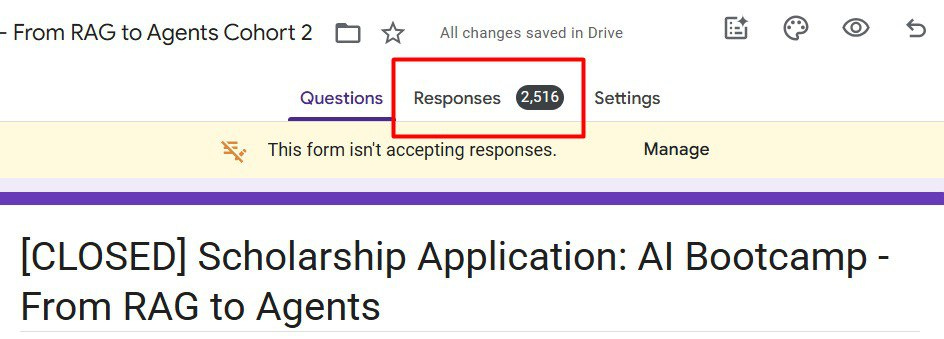
This time, I received 2,500+ applications, far more than the number of available spots. The application form is now closed, and I have already contacted the selected full-scholarship participants. If you did not hear from me, you were not chosen for this round.
For those applying for partial scholarships, I am still reviewing applications and will reach out to selected candidates by next Monday.
Thank You for Your Strong Submissions
Thank you to everyone who applied. I genuinely appreciated the time and thought many of you put into your submissions. There were many strong applications, but due to the volume, it was not possible to respond to everyone individually. If you invested effort in your application but were not selected, please do not take this as a negative signal.
If you were not selected, I still strongly encourage you to keep learning and building. There is a large amount of free material available:
AI Agents Email Crash-Course (Cohort Edition): I’m running a free cohort-based version of the AI Agents Email Crash-Course this January. To complete the cohort, you’ll finish the project and review three other submissions; in return, you’ll receive a certificate of completion signed by me.
LLM Zoomcamp: a free online course about real-life applications of LLMs. In 10 weeks, you will learn how to build an AI system that answers questions about your knowledge base.
Free tutorials: recordings on DataTalksClub and my personal YouTube channel.
As a reminder, you can also unlock a curated list of workshops by inviting three friends.
On this Substack, I regularly share high-quality resources, tools, and learning opportunities, many of which are free.
If you are not subscribed yet, consider subscribing to stay up to date with new resources and future programs.
To make the scholarship selection process more transparent, I want to share some context on how I approach it. This should also help if you plan to apply in the future.
Selection Process
The scholarship is designed for people who are already doing meaningful work and want to use this training to scale existing impact. It is not intended for beginners or general career exploration. No prior AI experience is required, but there must be a clear connection between what you are currently building and why this bootcamp is relevant at this stage.
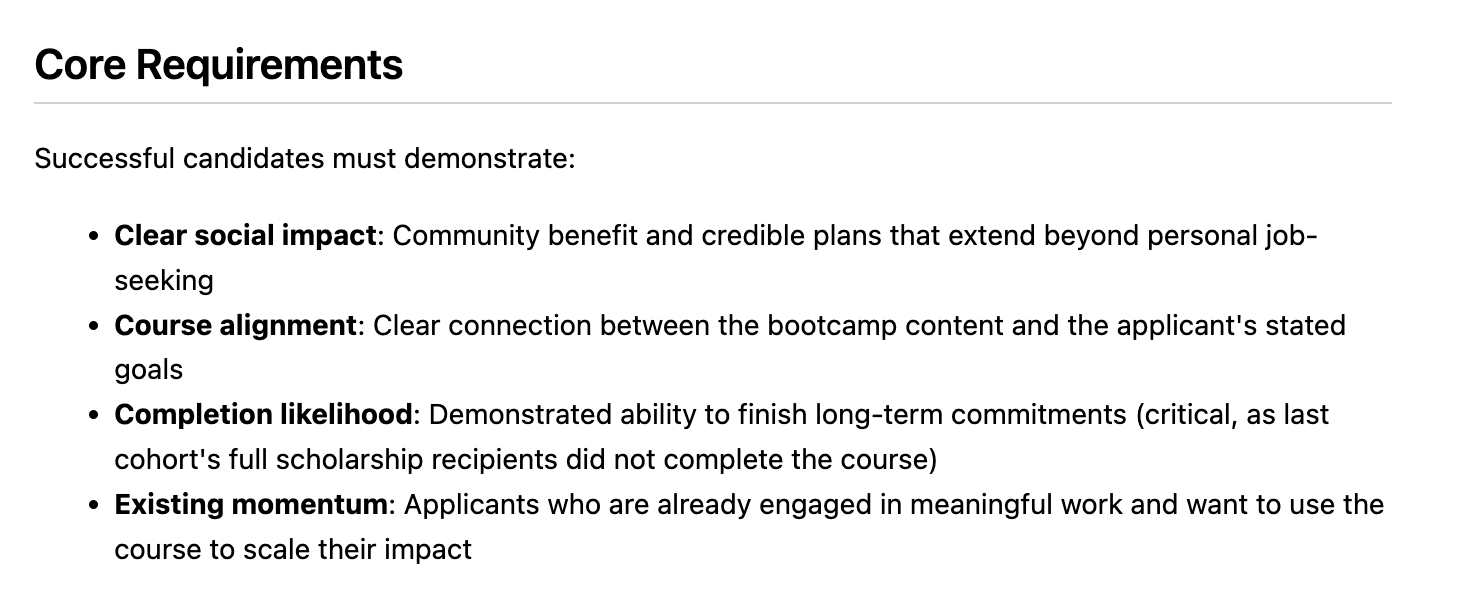
The first and most important signal is motivation. Applications with empty, one-line, or generic responses are filtered out early, as are submissions focused purely on job-seeking, learning tools in isolation, or short-term income goals.
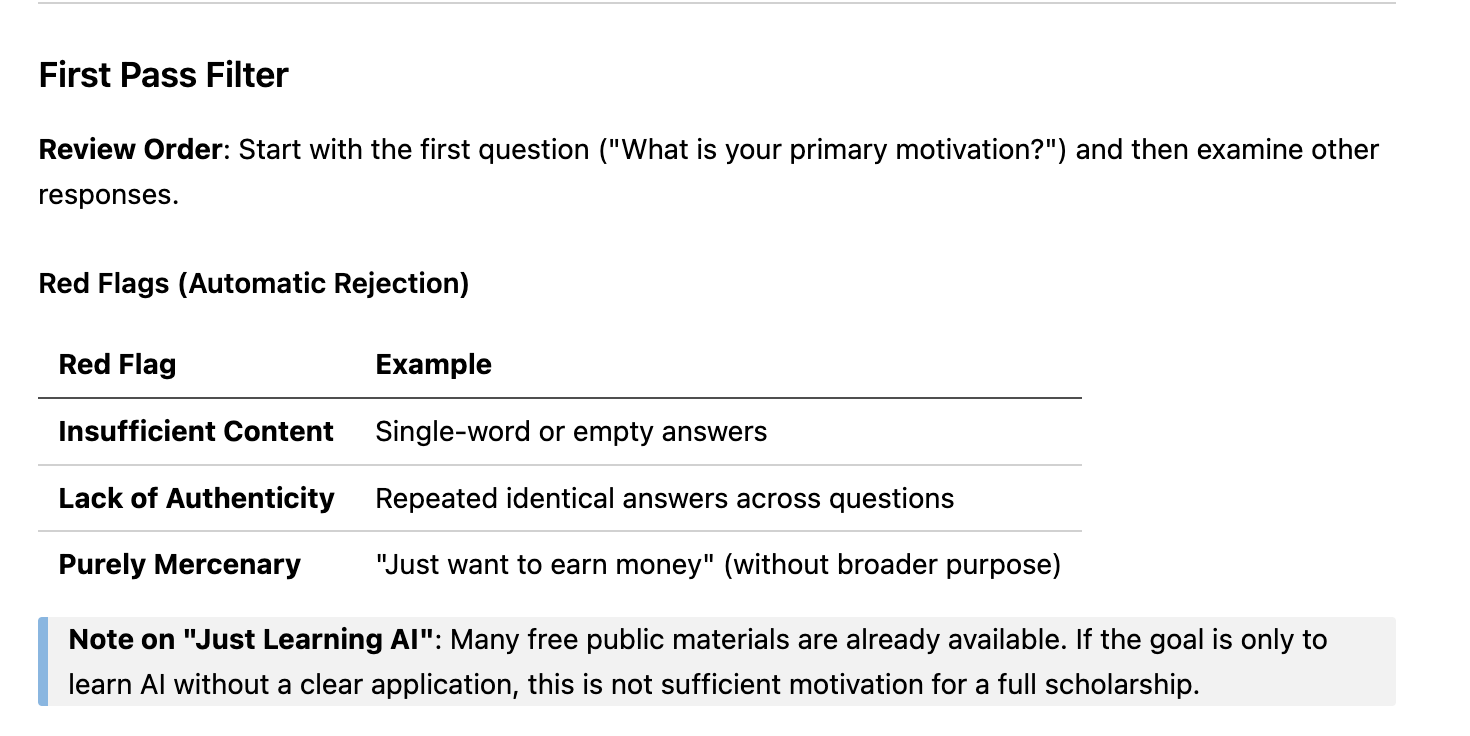
Strong applications clearly describe a specific problem, explain who benefits from solving it, and show why this training matters now.
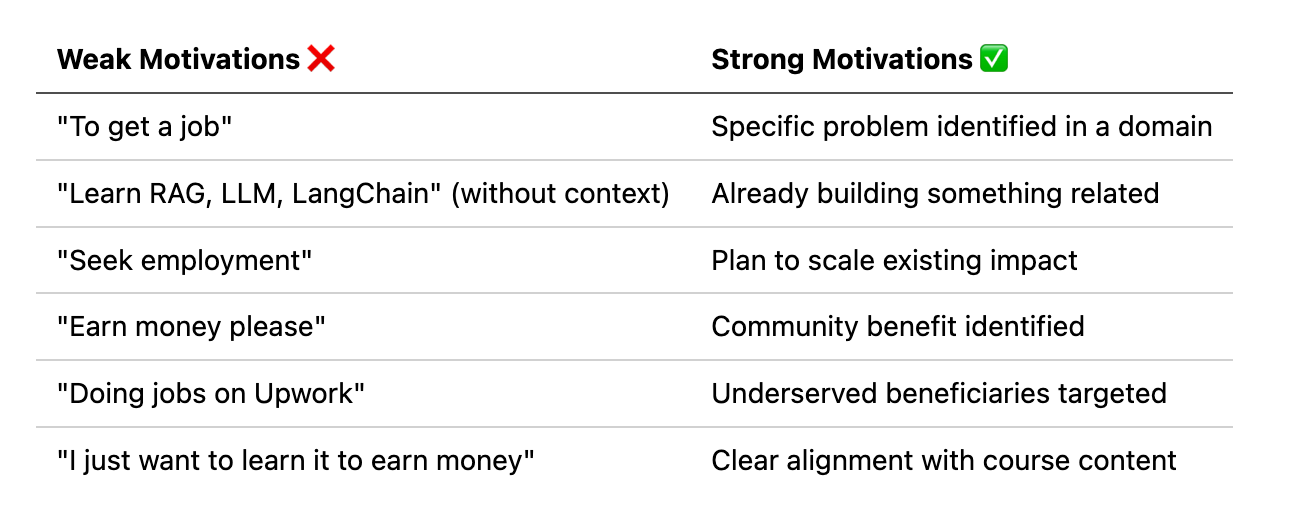
Beyond motivation, I look for depth and alignment. This includes whether the applicant understands what the bootcamp actually teaches, how it connects to their current work, and why production-focused training is needed. Clear plans to scale an existing project, reach a community, or multiply impact stand out far more than abstract learning goals.
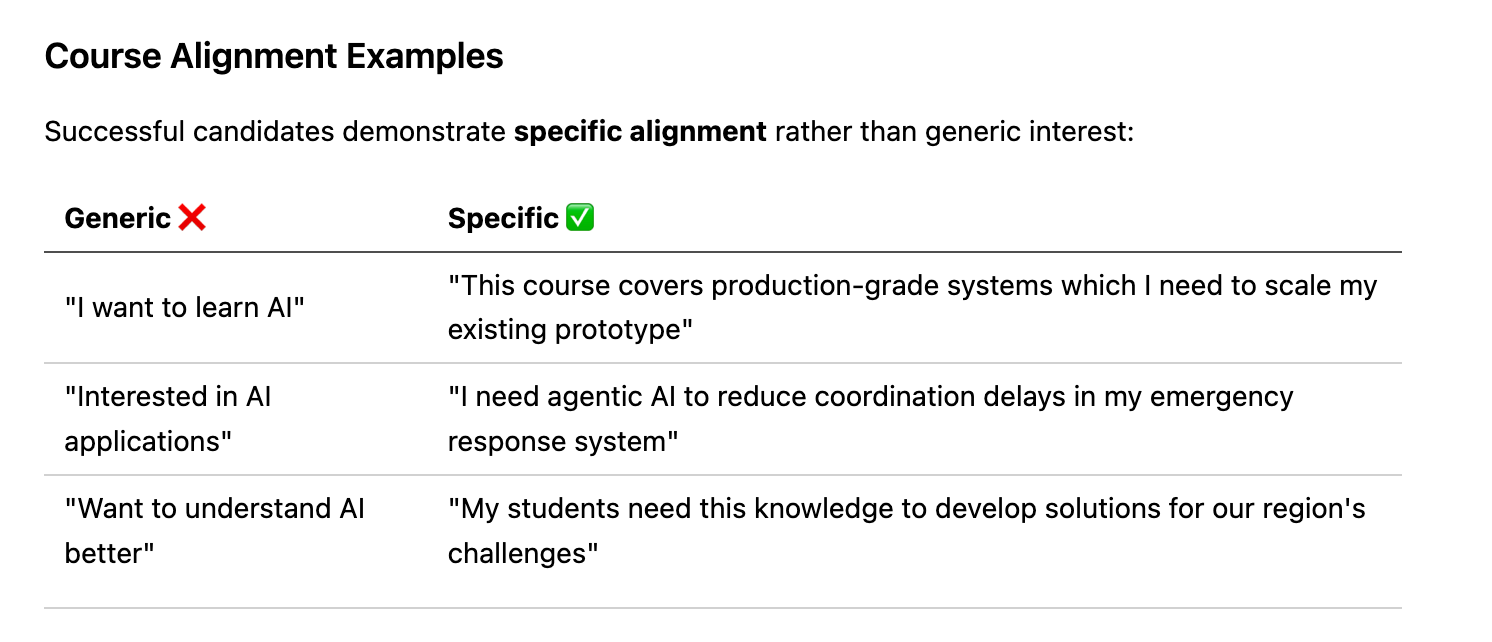
Because the program is demanding, the likelihood of completion is also critical. I pay close attention to signals that suggest an applicant can realistically commit the time and follow through, such as prior long-term projects, concrete plans, or existing accountability structures.
Not being selected does not mean an application was weak. In many cases, it reflects a mismatch between the scholarship’s intent and the applicant’s current situation, or simply the fact that competition exceeded the available spots.
Automation with Claude Code
With 2,500+ applications, reviewing every submission manually was not feasible. My evaluation process combined AI-assisted filtering with personal review at the final stage.
First, all applications underwent an AI-assisted preliminary review using Claude Code. I defined the evaluation logic in detail using custom slash commands and then validated the outputs myself. This step was used to rank applications and filter out those that clearly did not match the scholarship’s intent.
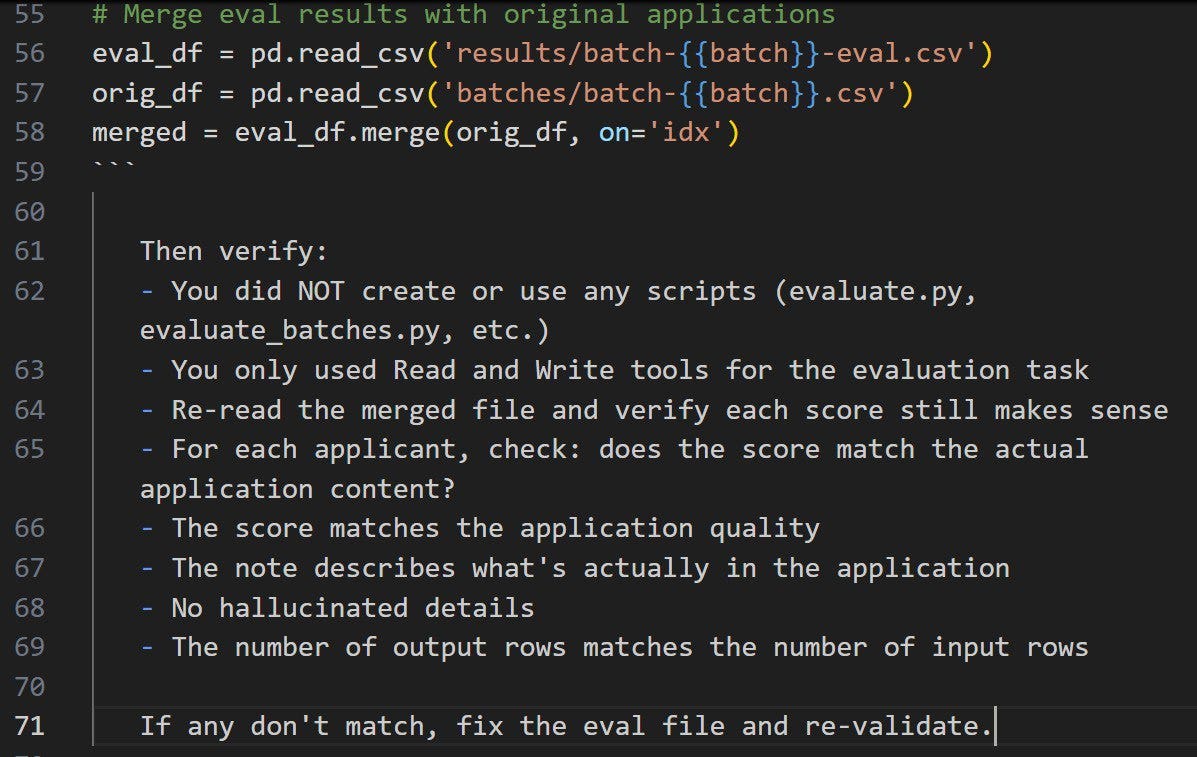
A key advantage of Claude Code here was the ability to run multiple commands in parallel via sub-agents, which made it possible to process large batches efficiently while keeping the logic consistent.
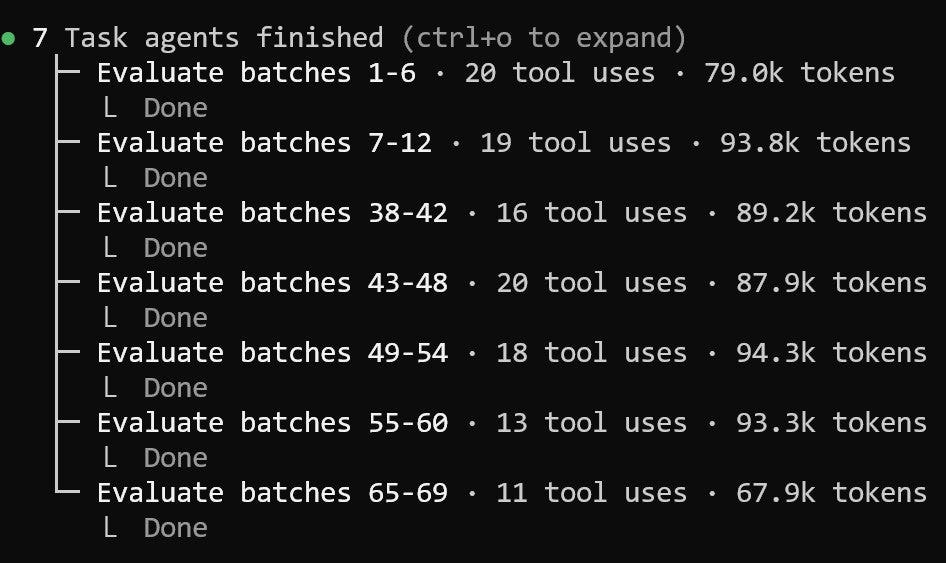
Instead of building a custom agent in code, I relied on clear instructions, a strong model, and reusable command-based workflows defined in Markdown. This significantly reduced overhead without sacrificing control.
From this first pass, I selected the top 50 applications for manual review. These were reviewed personally, with applications shuffled to reduce bias. I read each submission in full, checked linked profiles or projects where provided, and verified that the AI-generated scores actually matched the substance of the application. At this stage, qualitative factors such as authenticity, clarity of intent, and likelihood of follow-through mattered more than any numeric score.
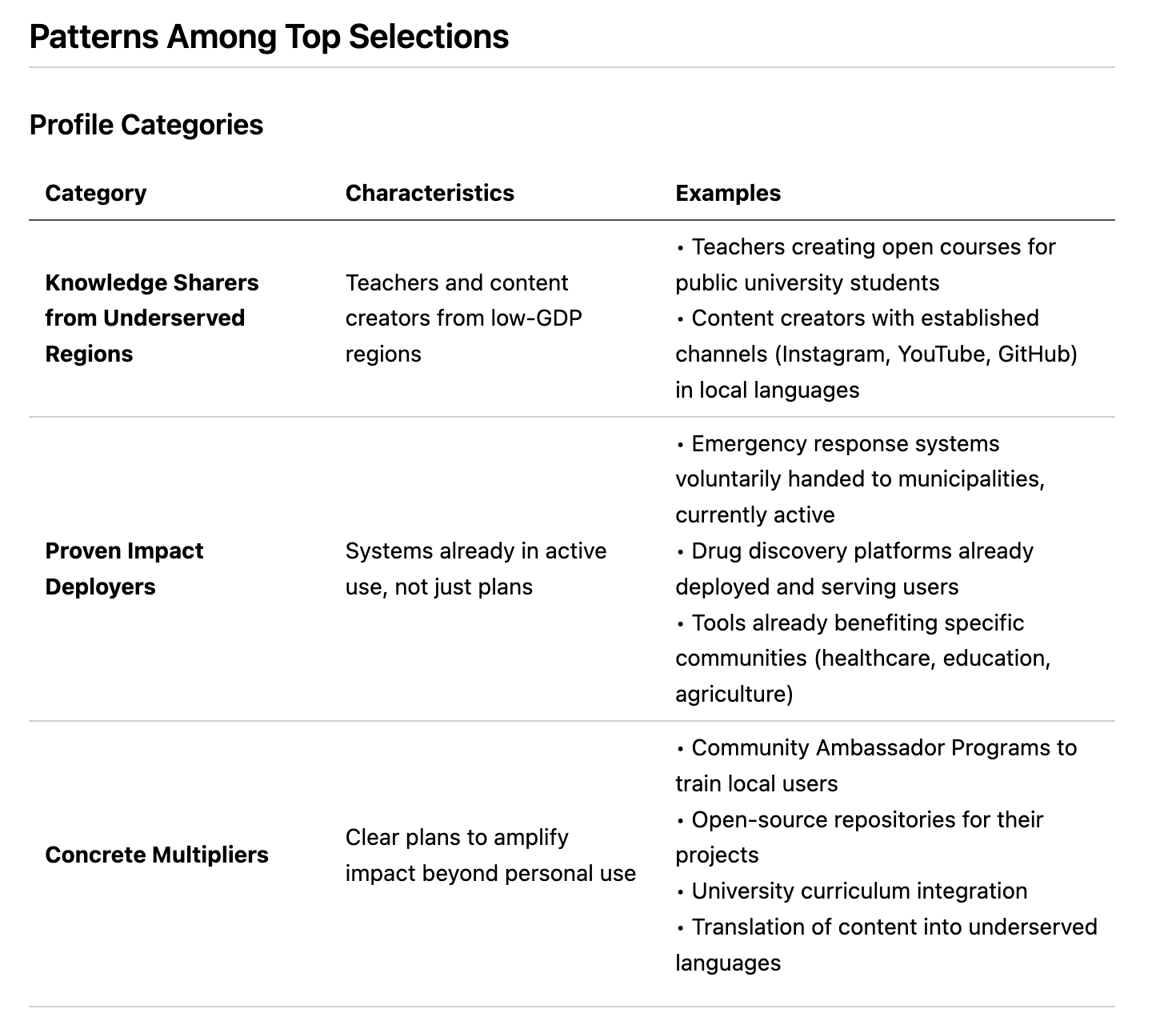
This approach allowed me to handle the scale of applications while still giving serious candidates proper attention.
If you plan to apply again, start building something concrete and meaningful now. Even if you aren’t selected for this cohort, keep building and learning with the resources available. Proactivity and having a clear goal will help you find a way to achieve it, given your current circumstances. It will also help you stand out.
Experience with real projects, persistence, and learning in public matter much more than any single opportunity.
My Experiment: Turning Videos Into Articles With AI
This week, I also worked on the new documentation website for DataTalksClub’s free courses.
With every new cohort launch, I end up repeating the same organizational details during the live stream over and over again. This time is better spent on meaningful discussions and answering participant questions. That’s why I wanted to centralize all important information in one place and share a single link with everyone.
I started with Data Engineering Zoomcamp, since the new cohort has just launched on Monday. The content covered during the launch stream is largely the same every year, and I already had recordings from previous launches. So, instead of rewriting everything manually, I used the latest stream as input to automatically generate structured, illustrated documentation.
For this, I used Claude Code again. After some experiments, I ended up implementing two custom commands:
/article converts the transcript into a structured article and suggests where illustrations are needed
/extract-illustrations extracts candidate screenshots directly from the video
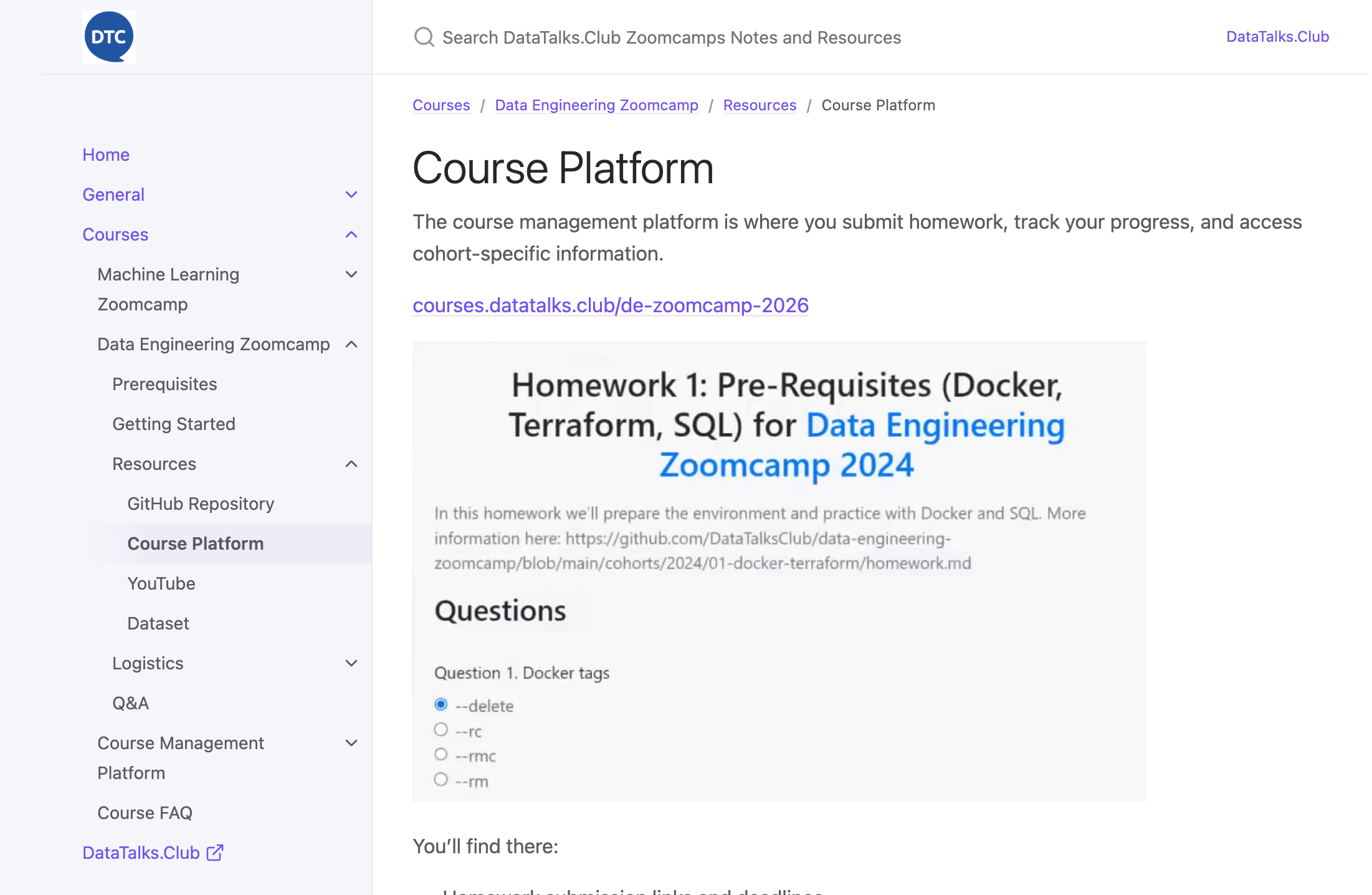
This worked quite well for creating the article, but not great for illustrations. Even though only 50% of suggested images were good, it saved a lot of time.
But it also changes the way I can now approach automating my tasks. Previously, I’d have to create an agent from scratch: create a Python script, think of tools for this agent, and make calls to OpenAI. Now I describe what I want to do to Claude, iterate on the output until I like it. When it’s done, I ask it to summarize all the actions into a command or skill and correct it. That’s it. Now it’s reusable.
Better Screenshots with Playwright
I still needed illustrations that I couldn’t extract automatically from the video. To get them, I used Playwright - a browser automation tool. I mean, Claude used. I asked it to go to the relevant pages and take screenshots directly from the site.
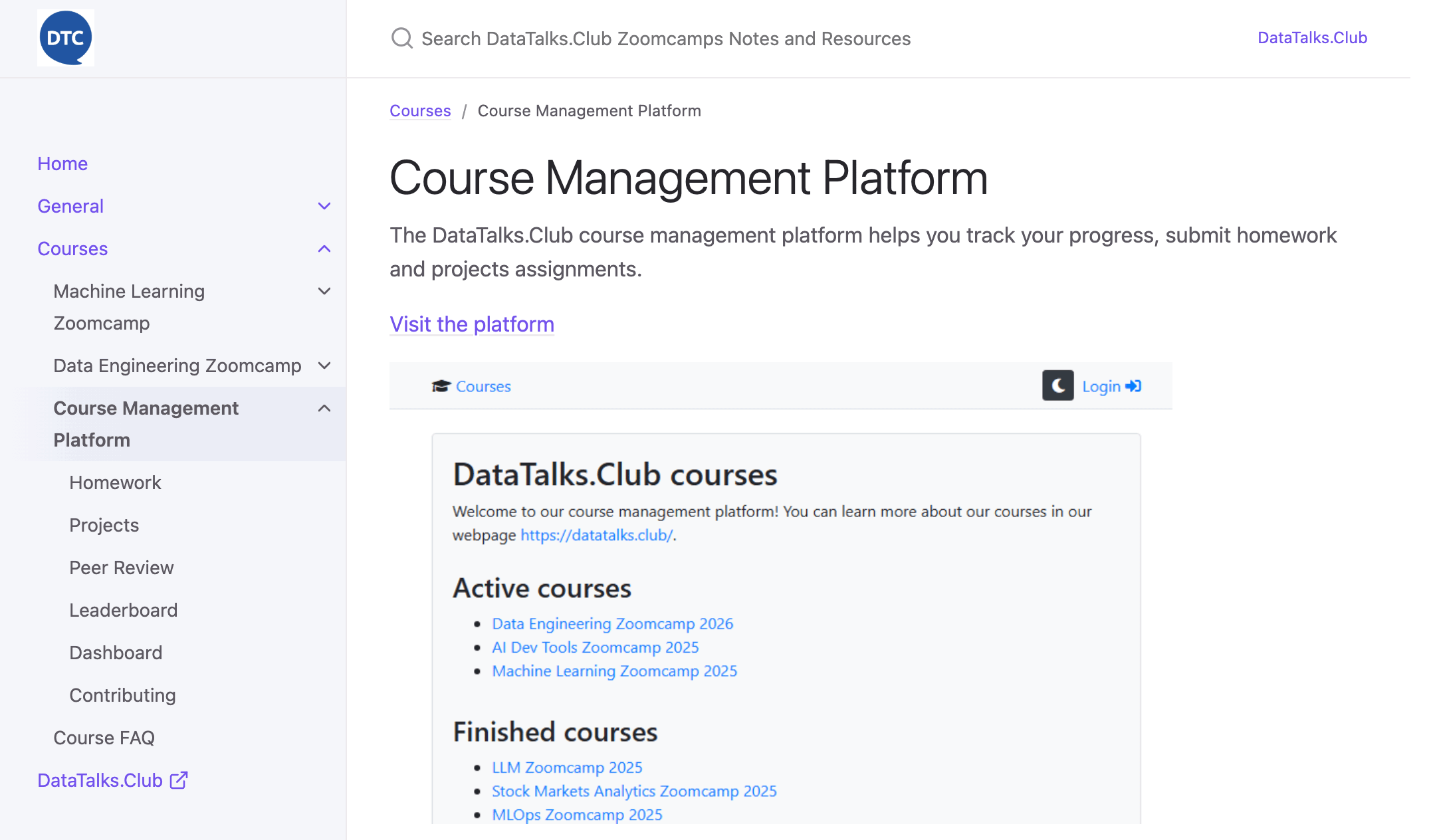
It opened the website, took screenshots, saved the files in the right location, and included the images in the docs. At the end I only needed to crop these images.
Exploring GitHub Repos with gh CLI
I also needed to describe the course repository. So I told Claude to use the GitHub CLI to look at it, and after a few iterations, it found relevant sections and produced a structured documentation page.
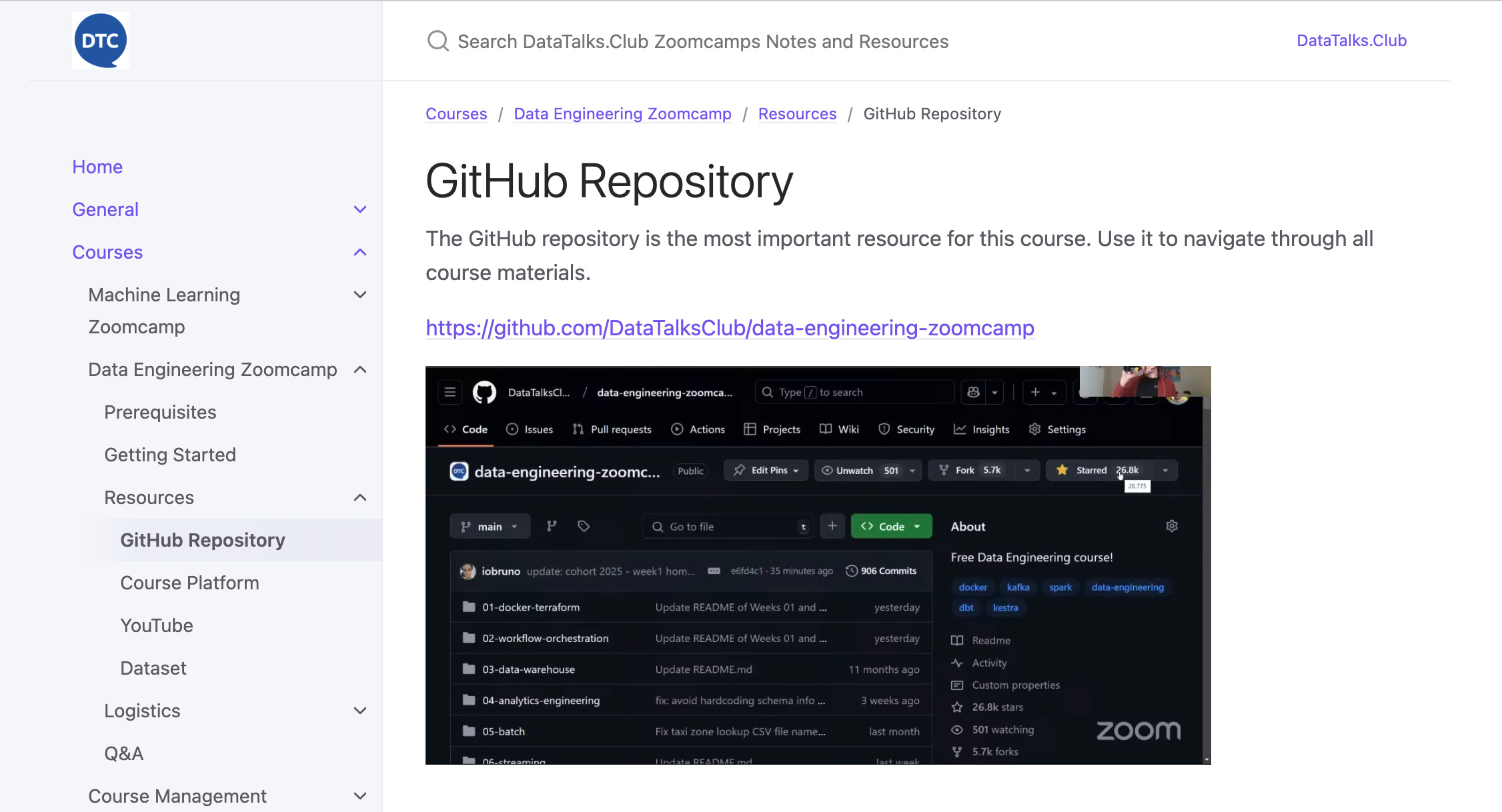
This approach worked well for turning existing repositories into readable reference documentation with minimal manual effort.
Overall, using Claude Code significantly simplified the documentation process. I still spent around 4-5 hours reviewing, editing, and polishing the output, so it is not fully automated. However, without AI assistance, this work would typically take close to two full days. In practice, this reduced the time required by roughly a factor of four.
Voice dictation
One more thing that helped a lot in this workflow is voice dictation. I often review drafts visually and give feedback to Claude via voice input. On Windows, I use the built-in speech recognition (Win + H), dictate edits, let Claude apply them, then iterate again. This makes editing and refinement much faster, especially for longer texts.
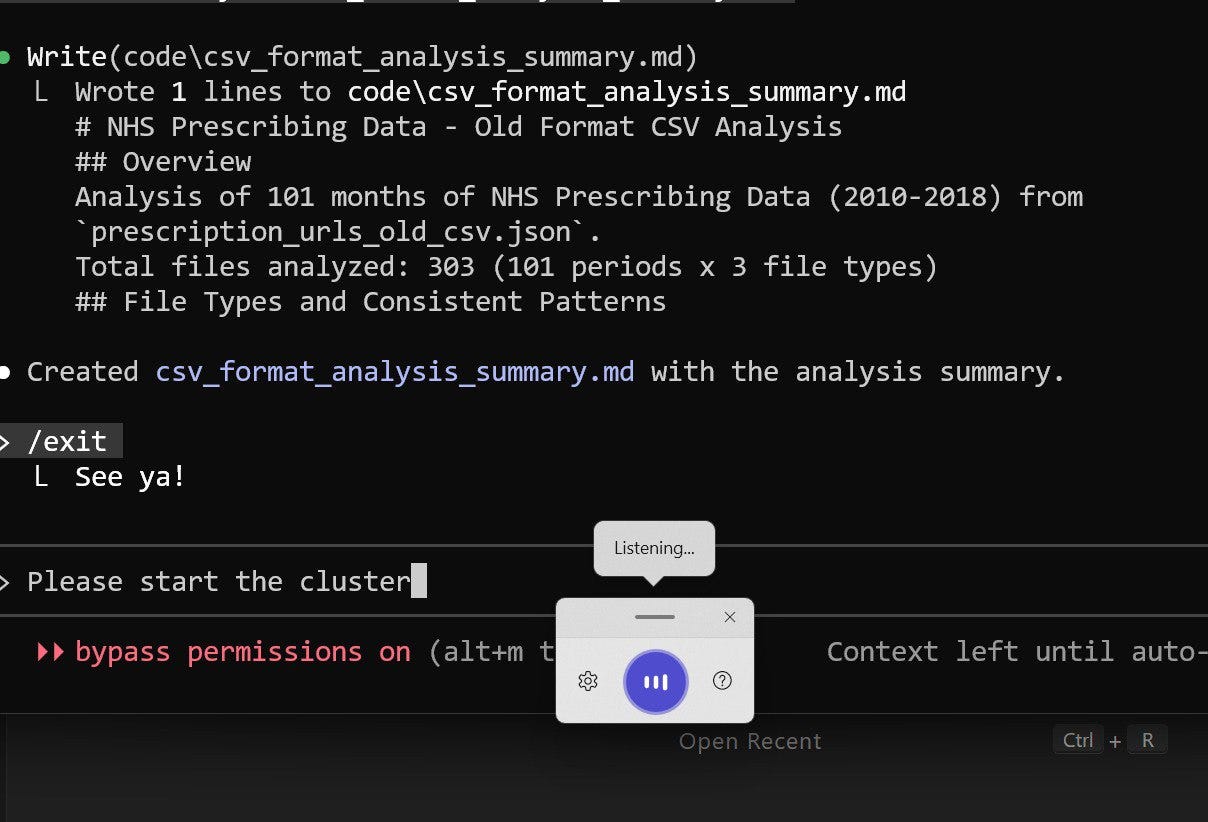
This setup is still evolving, but even in its current form, it has already changed how I approach documentation and content reuse for course launches.
What I’ve Been Working On Recently
1) Workshop on Skills.md from Scratch
I really enjoyed preparing a new workshop on building a coding agent with skills and commands. As part of the preparation, I analyzed the Open Code codebase (an open-source alternative to Claude Code) and used it as a reference to propose a simpler, more transparent way to implement similar ideas in our own agent.
We started from the Django project builder we had created a few months ago, then extended it into a general-purpose coding agent, and finally introduced skills and commands on top of it. This progression helped show how these concepts fit into a real system rather than appearing as isolated features.
It felt like some audience members initially expected the workshop to focus on using Claude’s skills rather than on implementing them from scratch. However, the hands-on approach resonated well, and the feedback at the end was very positive.
This workshop is part of the AI Bootcamp. If you want to learn how to build AI agents in depth, with a structured curriculum and direct support, consider joining the new cohort.
2) Workshop on Guardrails for AI Agents
Recently, I hosted another workshop about Agents. This time, it was about guardrails. In that session, we built a small FAQ assistant first and then added guardrails on top to control both inputs and outputs. We focused on making agents safer and more predictable in real-world settings. We covered patterns for cancelling execution early, running checks in parallel, and enforcing boundaries such as academic integrity and scope limitations.
This workshop is part of the AI Bootcamp. If you want to learn how to build AI agents in depth, with a structured curriculum and direct support, consider joining the new cohort.
3) In-Person Workshop in Berlin
I’ve been preparing for an in-person workshop for a company in Berlin. It’s a two-day event, with the first day focusing on foundations and mental models for AI agents, and the second day dedicated to building an end-to-end coding agent.
I don’t often get to do in-person workshops, but I really enjoy this format because it encourages deeper discussion and hands-on work. I’ll share more information about this workshop next week. If you want me to present a similar workshop at your company, reach out, and I’ll be happy to discuss the details.
4) In-Person Meetup in Berlin at Zalando on How GenAI Transforms Engineering
![GenAI transforming Engineering: Agents and Guardrails [IN-PERSON!]](https://substackcdn.com/image/fetch/$s_!s6Pn!,f_auto,q_auto:good,fl_progressive:steep/https%3A%2F%2Fsubstack-post-media.s3.amazonaws.com%2Fpublic%2Fimages%2F0ab3c961-fcc0-45e3-8ffe-ccae3f05e55b_1536x864.webp "GenAI transforming Engineering: Agents and Guardrails [IN-PERSON!]")
At DataTalks.Club, we decided to put more effort into offline events this year. The next one is an in-person meetup in Berlin on February 17, focused on how GenAI is transforming modern engineering workflows, from coding agents to production systems with guardrails.
We’re also planning another event in March, which will be more workshop-oriented and focused on fast, in-memory analytics. More details on that soon.
5) Other Projects
I’ve also been experimenting a lot lately.
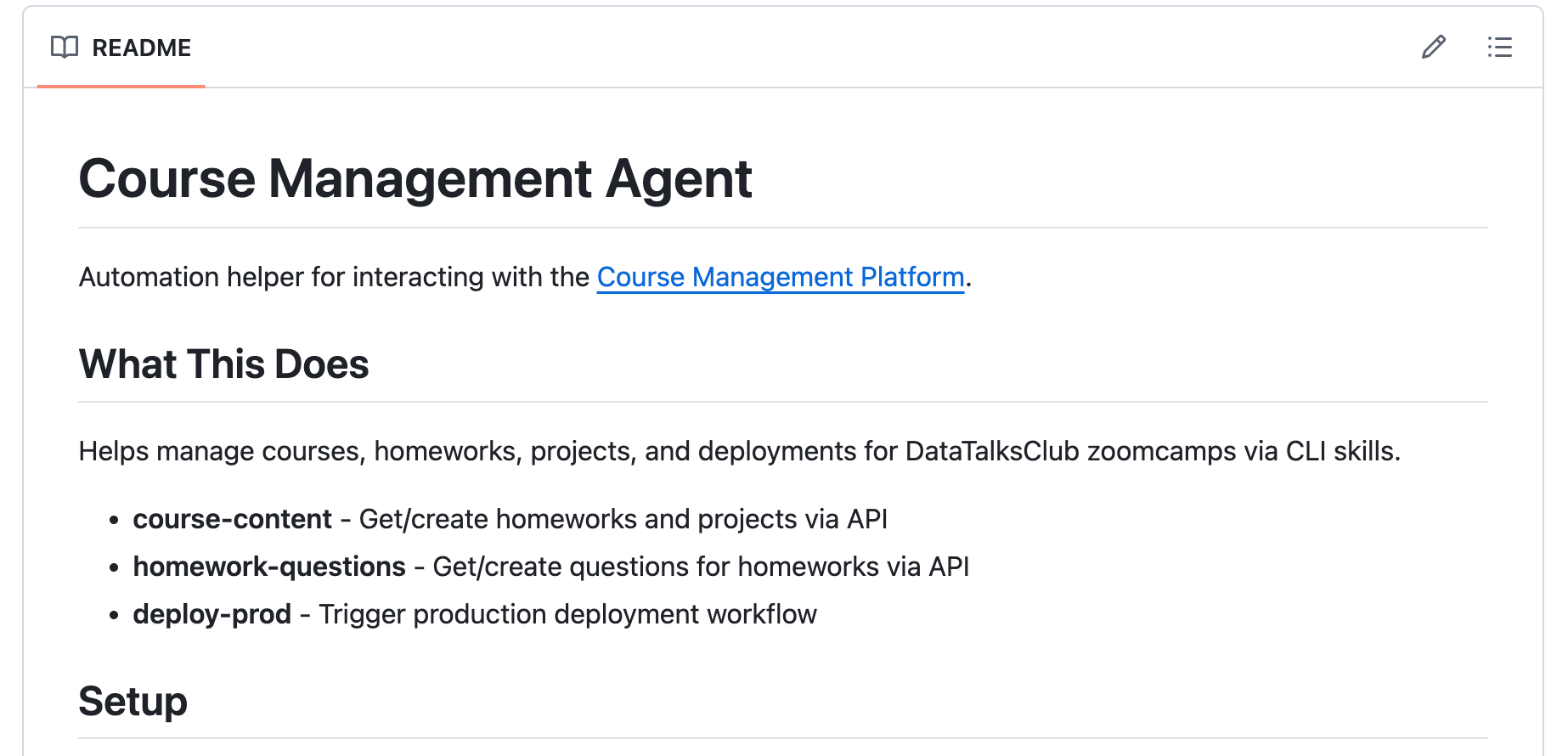
I built an AI agent to automate the creation of homework assignments for our free DataTalks.Club courses
Tried installing Linux on an old Samsung phone to run Claude Code (successfully bricked it in the process), and then used Claude to help recover the device back to its system settings
Automated several admin workflows for the course management platform using Claude Code
I’ll share more details on these experiments in upcoming editions. So stay tuned!
Courses

LLM Fine-Tuning roadmap: a curated resource for practitioners who want to understand and apply LLM fine-tuning in practice. It provides a solid technical foundation, covering core fine-tuning concepts, transformer internals, training infrastructure, data preparation, modern PEFT and alignment methods, and the main tools for training and deploying LLMs.
AI Agents Email Crash-Course (Cohort Edition): I’m running a free cohort-based version of the AI Agents Email Crash-Course this January. To complete the cohort, you’ll finish the project and review three other submissions. A second project attempt is still live. You have 4 days left to submit your project and have me sign the certificate!
Data Engineering Zoomcamp: New cohort started on January 12, 2026. A free 9-week course on building production-ready data pipelines: ingestion, orchestration, warehousing, analytics, and more. More than 24,000 people have registered for this course.
Tools
Happy Coder: a mobile, web, and CLI client that lets you run and monitor Claude Code or Codex from anywhere, with end-to-end encryption. It’s useful because you can switch seamlessly between desktop and phone, get push notifications when your agent needs attention, and keep long-running coding sessions under control without being tied to your laptop.
Docker Sandboxes for Claude Code: let you run Claude Code in an isolated, reproducible environment using Docker, without changing how you use the CLI. It’s useful because it improves security and reliability by sandboxing file access and credentials, while still supporting all Claude Code options, making it easier to experiment, debug, and run agents safely on real projects.
Edited by Valeriia Kuka