

For years, I ran DataTalks.Club on a stack of SaaS products. In 2026 I replaced most of them with my own tools that cost a lot less and are better integrated with each other.
Together, these services used to cost me roughly €9.8k per year and now it’s down to €1.6k per year. I now save around €8.2k per year.
Here’s the list of tools I replaced:
MailChimp - $810/month
Zapier - $40/month
Airtable - $240/year
Slido - €180/year
Calendly - $171/year
DocuSign - €96/year
In total, the cost is roughly €9.8k per year.
I also moved off Trello. I wasn’t paying for it, but the free version wasn’t enough, and instead of upgrading, I implemented my own solution.
Most of my services are pretty lean and run on AWS Serverless (Lambda, API Gateway, DynamoDB, SQS), so I only pay when I actually use them. I put them behind a custom SSO service and make sure they have APIs and CLIs so that my agents can easily interact with them.
In this article, I go through each of the tools, how I used them and how I went about replacing them.
Airtable

Airtable is a very convenient service when you want to create a form, share it with others, and programmatically pull data out of it.
I used it extensively for DataTalks.Club:
Collecting signups for our courses
An internal CRM for sponsors, companies, deals
Managing the website content like people profiles, books, events, and podcast episodes
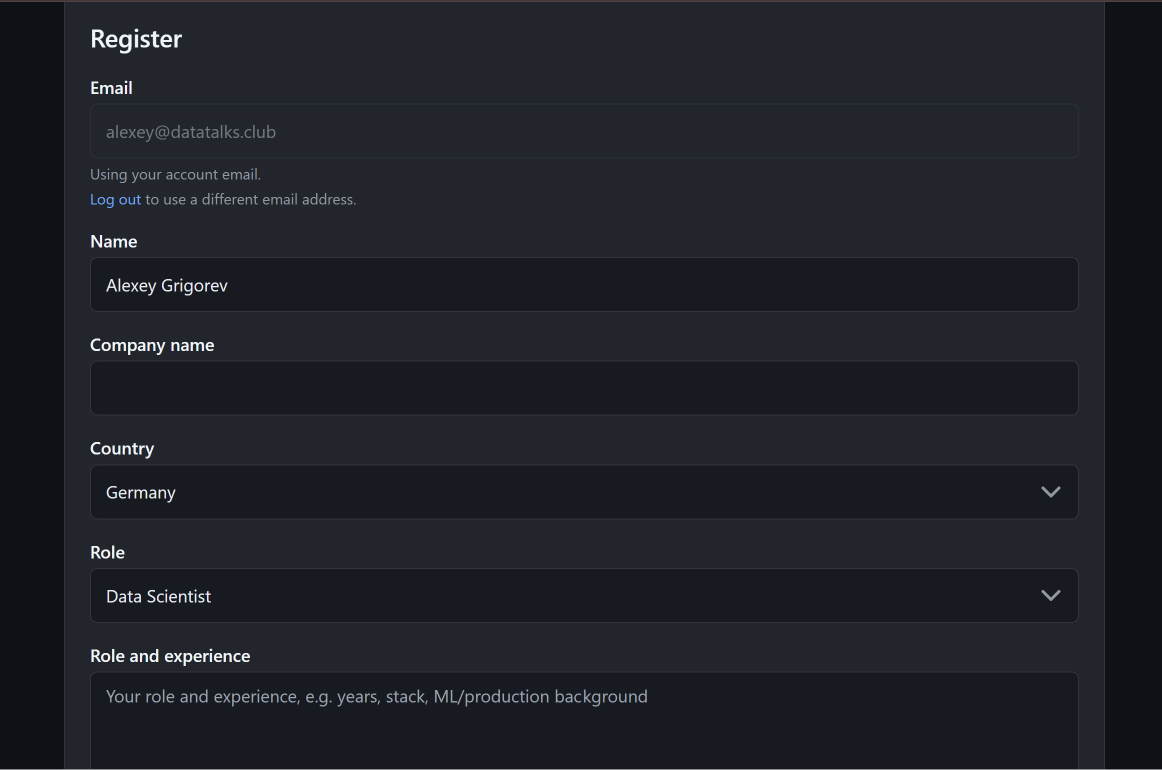
Slack registrations for people who had trouble joining our community
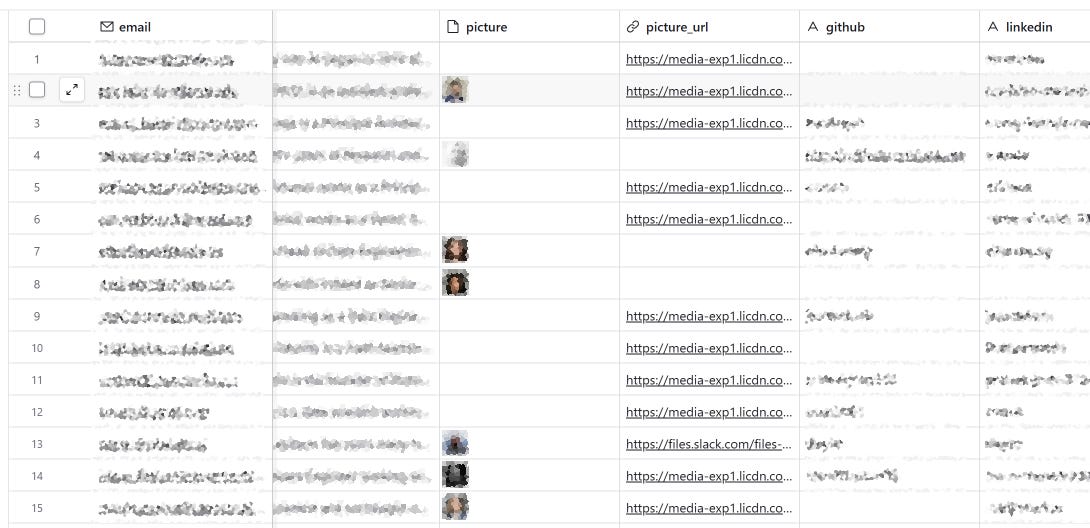
Before 2026, integrating Airtable was way easier than creating a custom backend. But now I just ask AI to create a form and 20 minutes later I have an app. That’s what I eventually did for all the cases where I used Airtable.
So now if you want to register for our course, you fill in a form on our course management platform and not on Airtable.
I moved things off Airtable one part at a time:
Registration moved into the course management platform in June 2026
The CRM moved into DataOps, my platform for operations, in October 2026
The form for managing content is no longer needed because agents can push content directly to the website, so I removed it in October 2026
I still haven’t fully migrated the Slack invite form, but I’m rebuilding the DataTalks.Club website right now and I won’t need it there.
MailChimp

MailChimp allowed me to grow DataTalks.Club from 0 to 130,000 subscribers in our weekly newsletter.
When you register in DataTalks.Club, you enter your email and get the invite to Slack in your inbox. From September 2020 until the middle of November 2026 this part was automated with MailChimp.
Even the very first DTC webiste was created with MailChimp! It stayed there until I created the current version in December 2020.
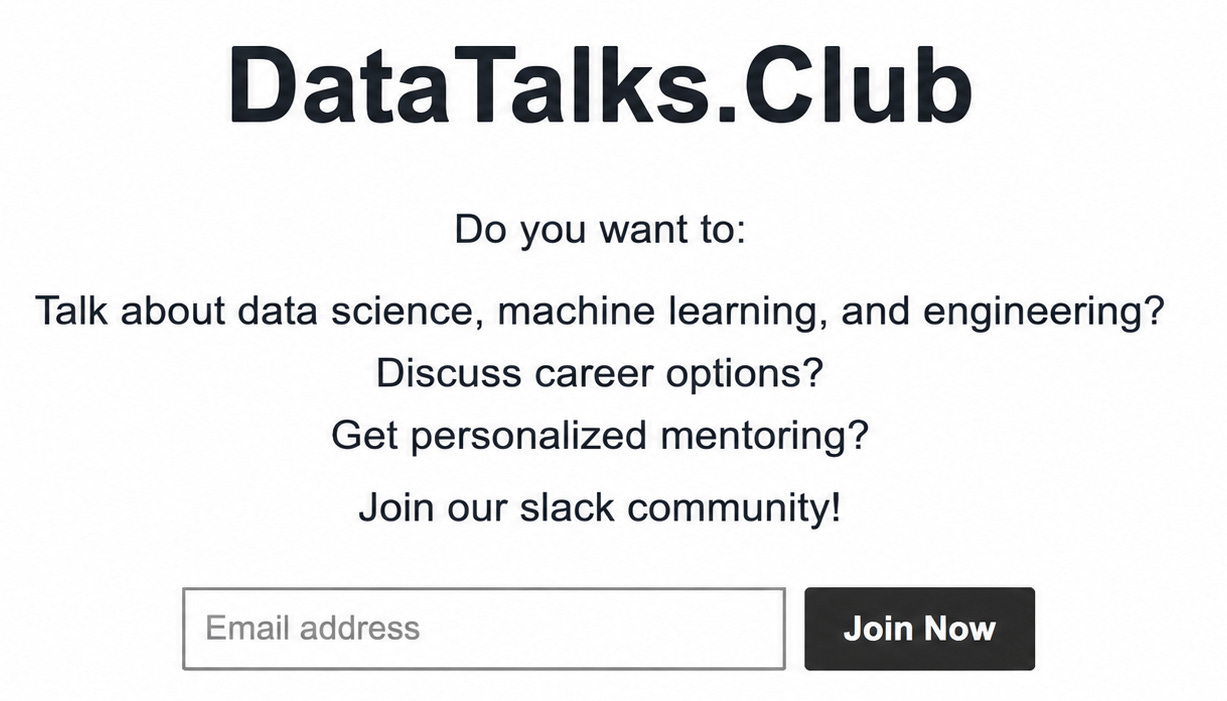
It was also the tool that allowed me to make money with DataTalks.Club. Every Monday we send a weekly newsletter, and it contains a sponsored block. Because of that, I could leave my full-time job and make DataTalks.Club my main focus.
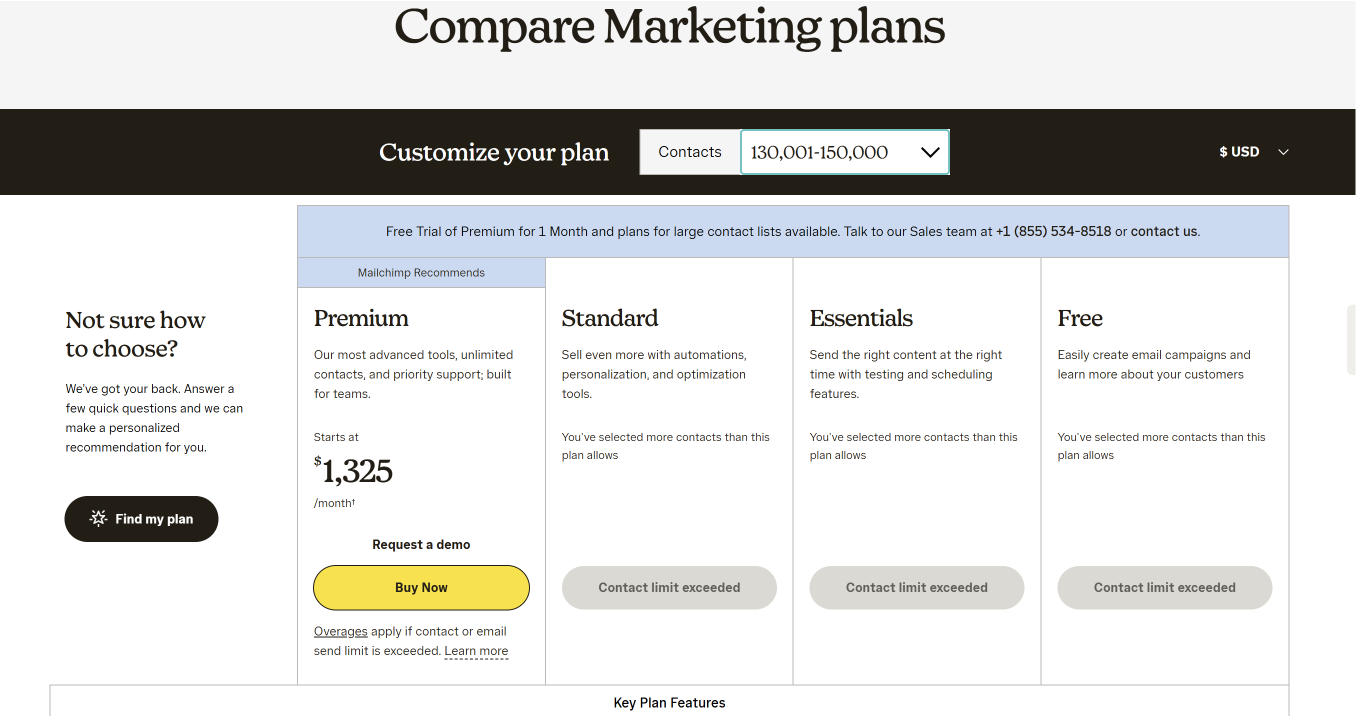
But at some point it became too expensive. It was by far my most expensive subscription. The current plan was $810/month, or almost $10k/year. I was also lucky to get a serious discount - the standard rate for a list of this size is $1,325/month.
Yes, MailChimp was making it possible for me to earn money. But at the same time I was spending a lot on it. So I was always tempted by AWS SES - the email service from Amazon. It’s very cheap, but it can only send emails - there’s nothing on top of it.
If you want to send via SES, you need to:
Get your account approved and get out of the SES sandbox
Handle bounces and spam complaints, and keep a suppression list so you don’t email these people again
Constantly ask AWS to increase your limits
Add unsubscribe links and one-click unsubscribe headers
Set up SPF, DKIM and DMARC for the domain - DNS records that prove that the emails really come from you, otherwise they end up in spam
Track opens and clicks
Build signup forms, double opt-in and manage the lists themselves
But the price difference was very very tempting: in eu-west-1 you pay $0.10 per 1,000 emails. This means an email campaign with 130k subscribers costs only $13, or $65/month.
I started using SES a few years ago, but because of this extra overhead, I never did much. Until 2026, when I started working on other projects that also required emails.
In April 2026 we launched AI Shipping Labs and I already used SES for its emails. Then in May I decided to create a common service for handling emails across all my projects. I pulled the SES code from AI Shipping Labs into a separate service, and then in summer included it in the course management platform.
In September I started preparing the Big Migration from MailChimp:
Setting up a proper production environment that can handle 130k emails and doesn’t take an entire day to run
Making sure all the limits are in place
Testing it on smaller campaigns
On November 9 I could finally send the entire newsletter #302 to all 130k subscribers through this service. After that, #303 and #304 went through it as well.
I call this service Relay.
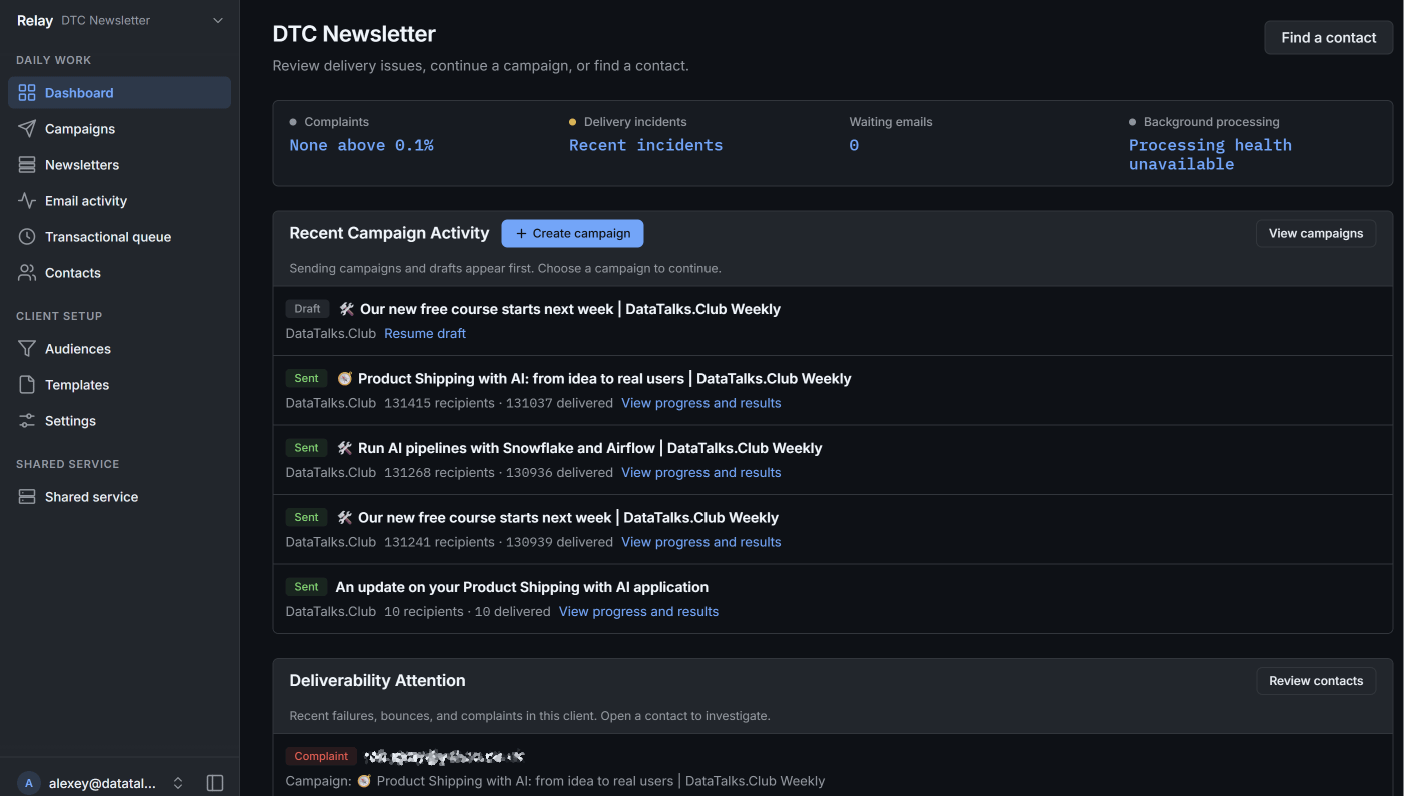
Relay now runs email for all DataTalks.Club services. The clients use the HTTP API to submit a task, get the task ID and check the status of the task.
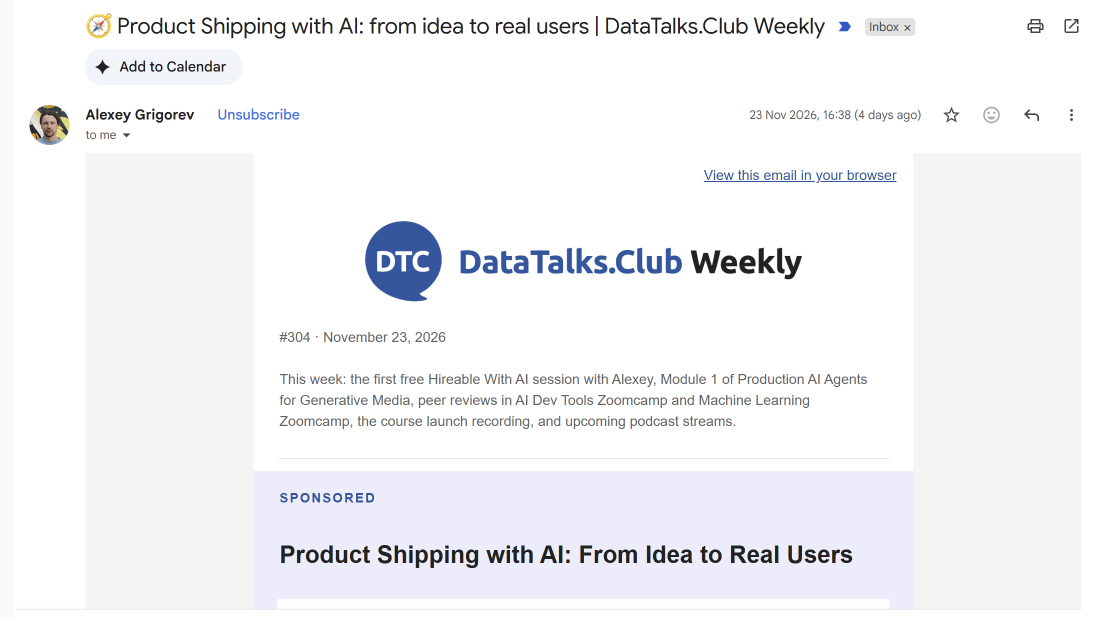
MailChimp has a convenient Drag&Drop interface for designing emails, but Relay has an API and a CLI. This means my agents can prepare the newsletter, and I only need to check the results.
Slido

I used Slido for Q&A during events, podcasts and course launch streams.
Around September, I got an email from Slido saying that my plan was expiring.
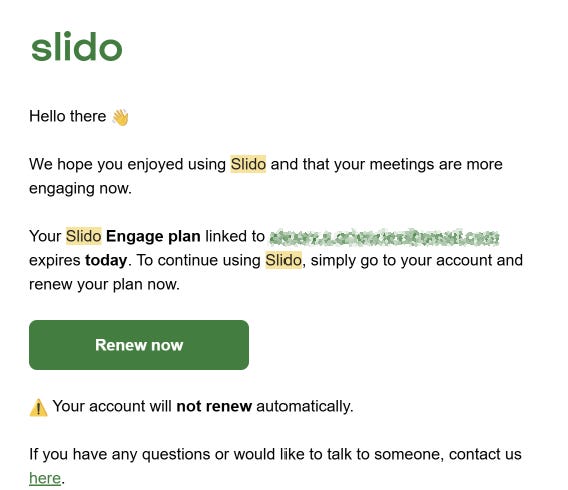
I thought, “It’s just a page with a QR code and a list of questions”. I opened Claude and one hour later I had a replacement. It was the easiest service to replace.
I called it DataQnA. It works in the same way as Slido: attendees join a room, ask and upvote questions. I answer the top-ranked ones.
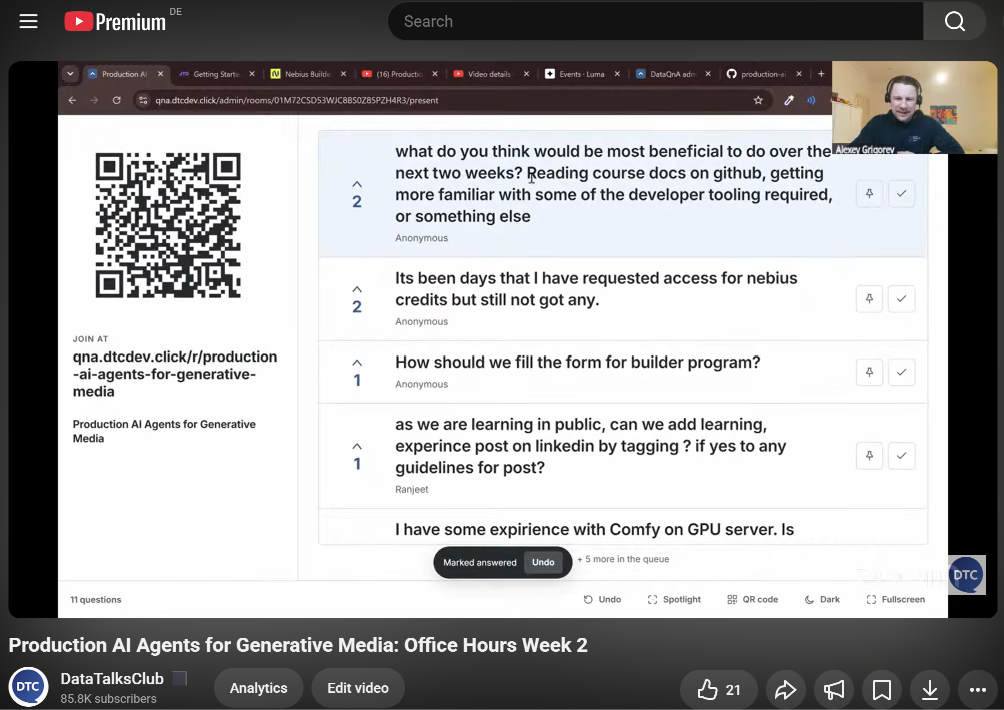
Yes, it’s a 100% clone of Slido, but with better integrations. As with Relay, I made sure it has an API, so I can fully automate the process of creating and archiving rooms there.
Zapier

I used Zapier a lot for automating many parts of DataTalks.Club operations. I started using it in 2020 and I got very excited about all these automations. But soon I discovered that I hit the plan limits very quickly, so I had to scale it down.
I still used it for many things, including:
Reposting new YouTube videos to the announcements channel
A /todo command in my Telegram group that created a row in a Google spreadsheet
Multiple invoice automations that saved invoices to Dropbox for my bookkeeping reports
I tried to replace Zapier multiple times, but with no luck: other services in this space cost roughly the same, and self-hosting open-source tools like n8n would be $30 per month anyway.
But in July 2026 I decided to ask my agents to reimplement Zapier. I’m very creative with names, so I called the alternative Dapier.
I knew that renting a server for hosting it would cost money, so I decided to run it completely serverless.
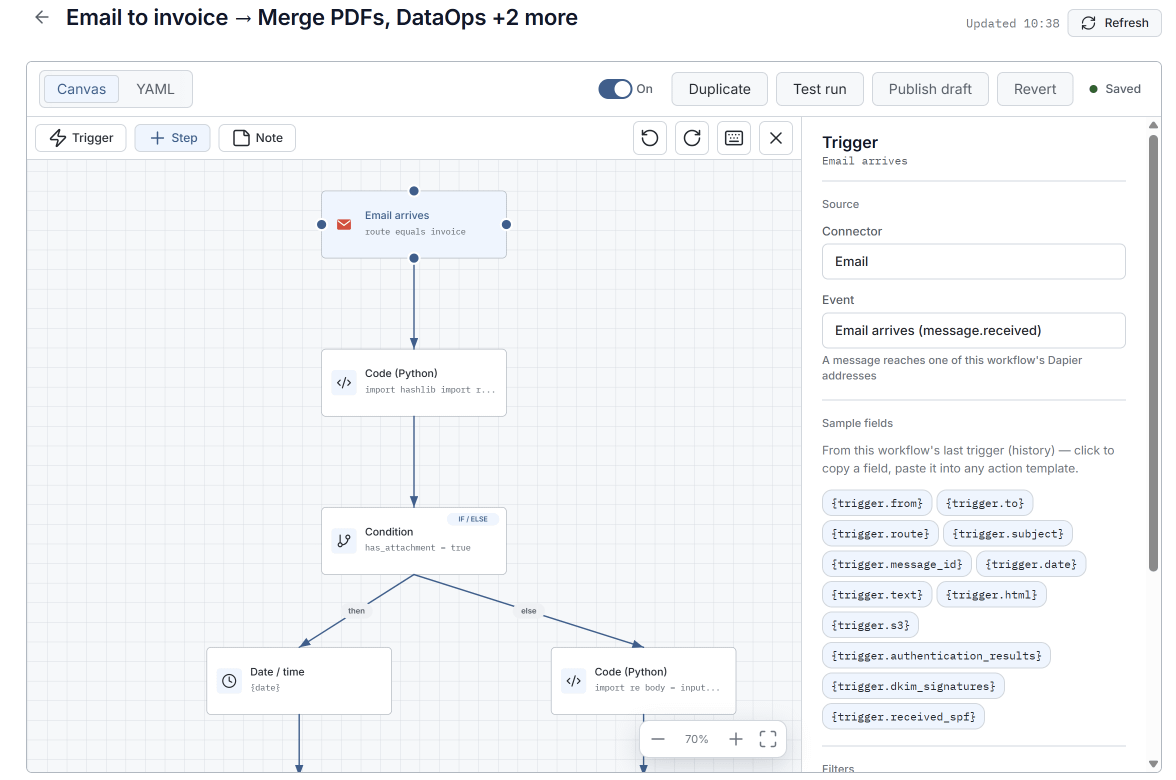
All my Zapier automations now run through Dapier. I also integrated it with Relay, so I could build email automations too.
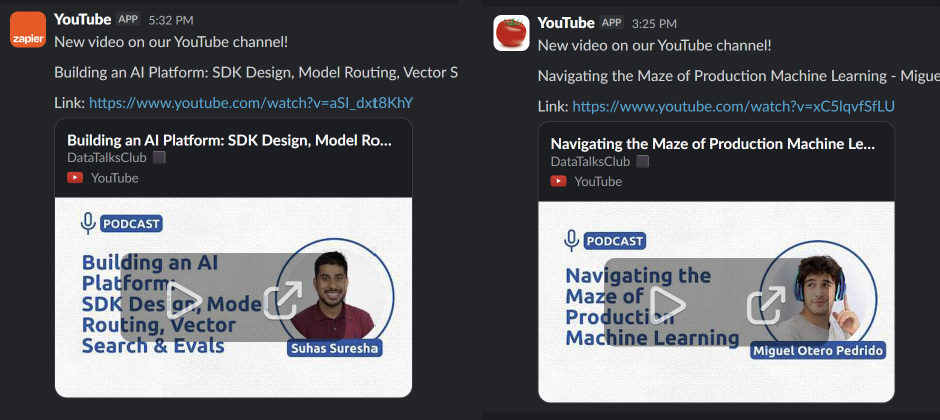
Since I’m not restricted by Zapier’s limits, I can automate much more than previously:
Automating Telegram messages
Monitoring all AI and Data newsletters to see if there’s a new potential sponsor
Forwarding emails to my coding agents, so they can work on them
And I can add my own integrations easily, like:
When a Zoom call ends, trigger a coding agent on my Hetzner server
Make a routing decision based on Jev
Extract everything from invoices and put it into our accounting system
Save leads to our internal CRM
In total, Dapier has 18 trigger connectors and 105 actions across about a dozen services and my own tools.
Dapier also has a CLI, which lets me do a lot of ad-hoc automations directly from my terminal:
Sending and reading emails via Gmail
Sending and reading messages in Slack
Pulling data from Zoom
Publishing social media posts
Getting files from GDrive and Dropbox
Calendly

Calendly is a very convenient tool for booking calls with sponsors, collaborators and AI Shipping Labs members.
A few months ago I needed to configure something in Calendly and saw that it would renew in May 2027. Inspired by the Slido rewrite, I cancelled my Calendly subscription and replaced it with personal-scheduler.
It has multiple public booking links, integration with Google Calendar and Zoom via Dapier, and runs on AWS Serverless.
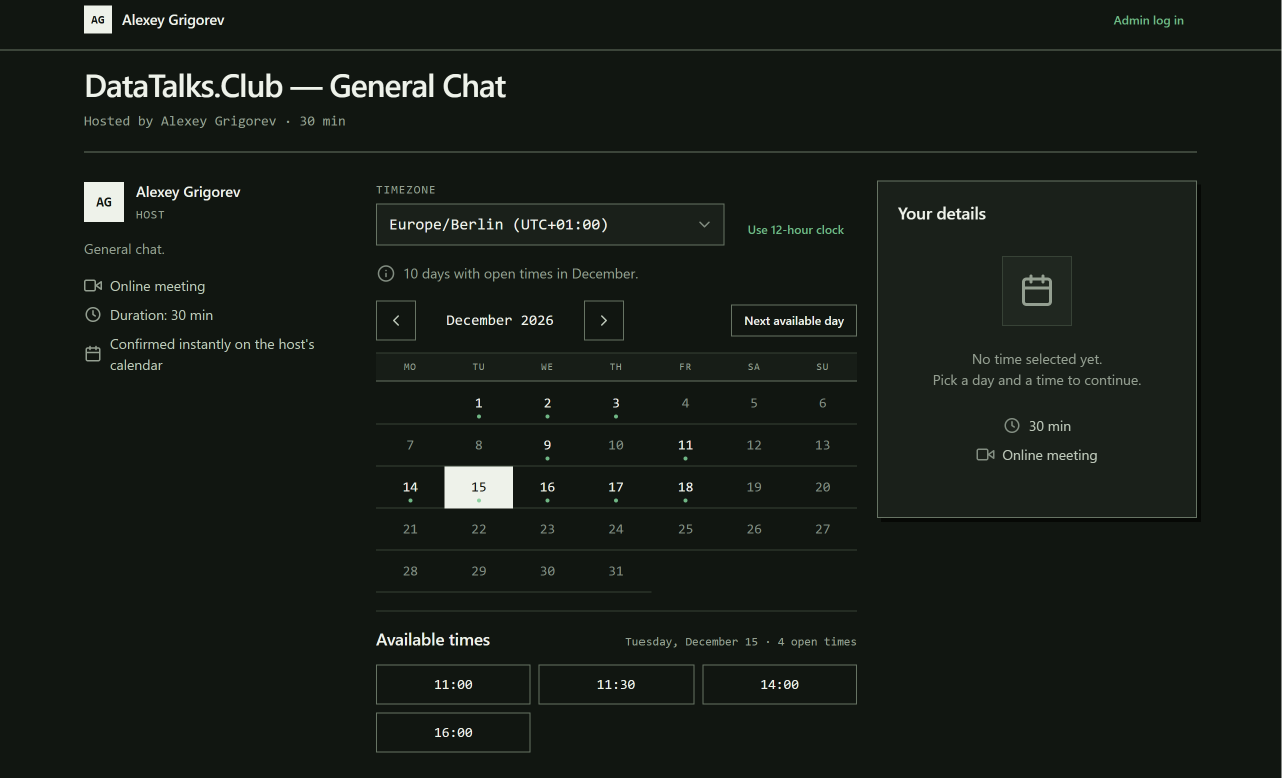
It wasn’t as straightforward to clone as Slido, but after a few iterations it was working. And now it’s integrated into the AI Shipping Labs platform, so the community members can book a call with me.
DocuSign

I used DocuSign for freelancer agreements and sponsor contracts. I don’t need to do it regularly, but I was still paying for the DocuSign subscription. I’d very much prefer volume-based pricing instead of a subscription, so I was already shopping for an alternative, but then I realized that it’s not that difficult to build an alternative.
In the EU there’s a regulation on electronic signatures called eIDAS.
In the simplest form, the signer gets a one-time link to their email and clicks “Sign”. It’s legally recognized and that’s enough for freelancer agreements and sponsor contracts. All you need to do is keep track of who signed, when, and that the document didn’t change afterwards.
So I asked AI to implement it and it’s been integrated into my ops platform since early November.
Trello

All the operational work in DataTalks.Club was managed in Trello. For every newsletter, podcast, webinar and book of the week event, we created a card from a template and moved it through the stages of the process.
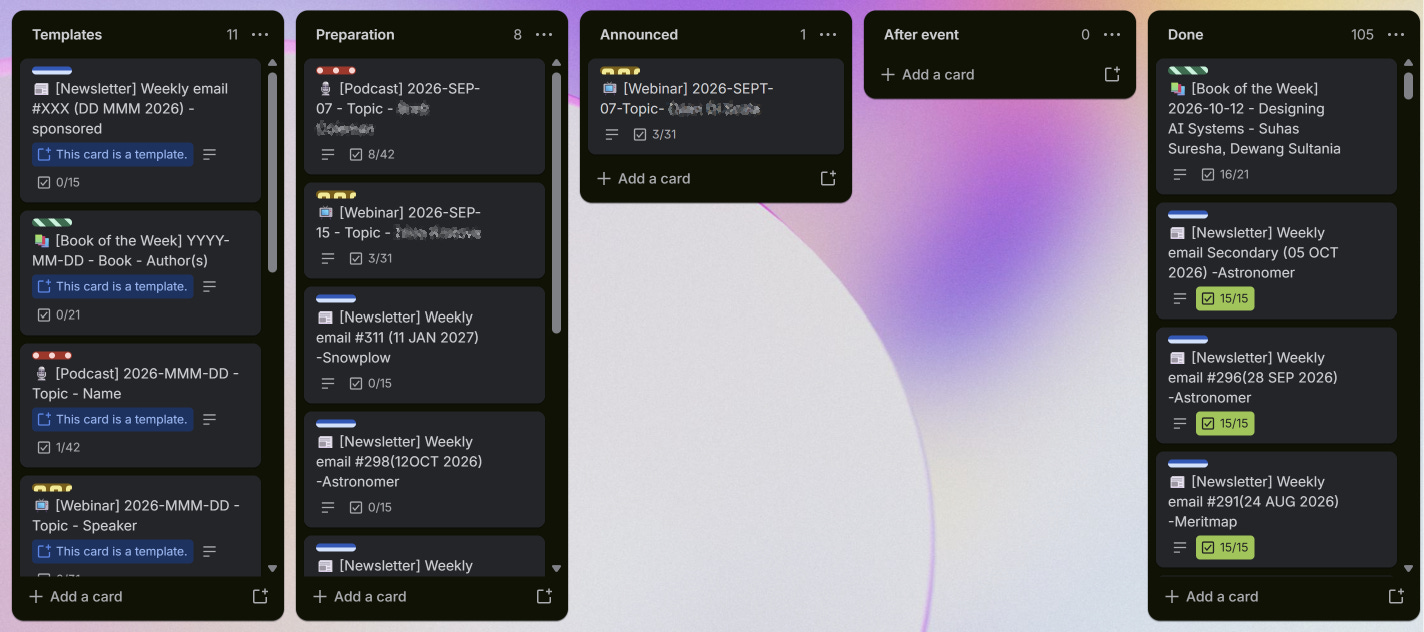
Inside each card, we have a description with links to the process documents and a bunch of checklists.
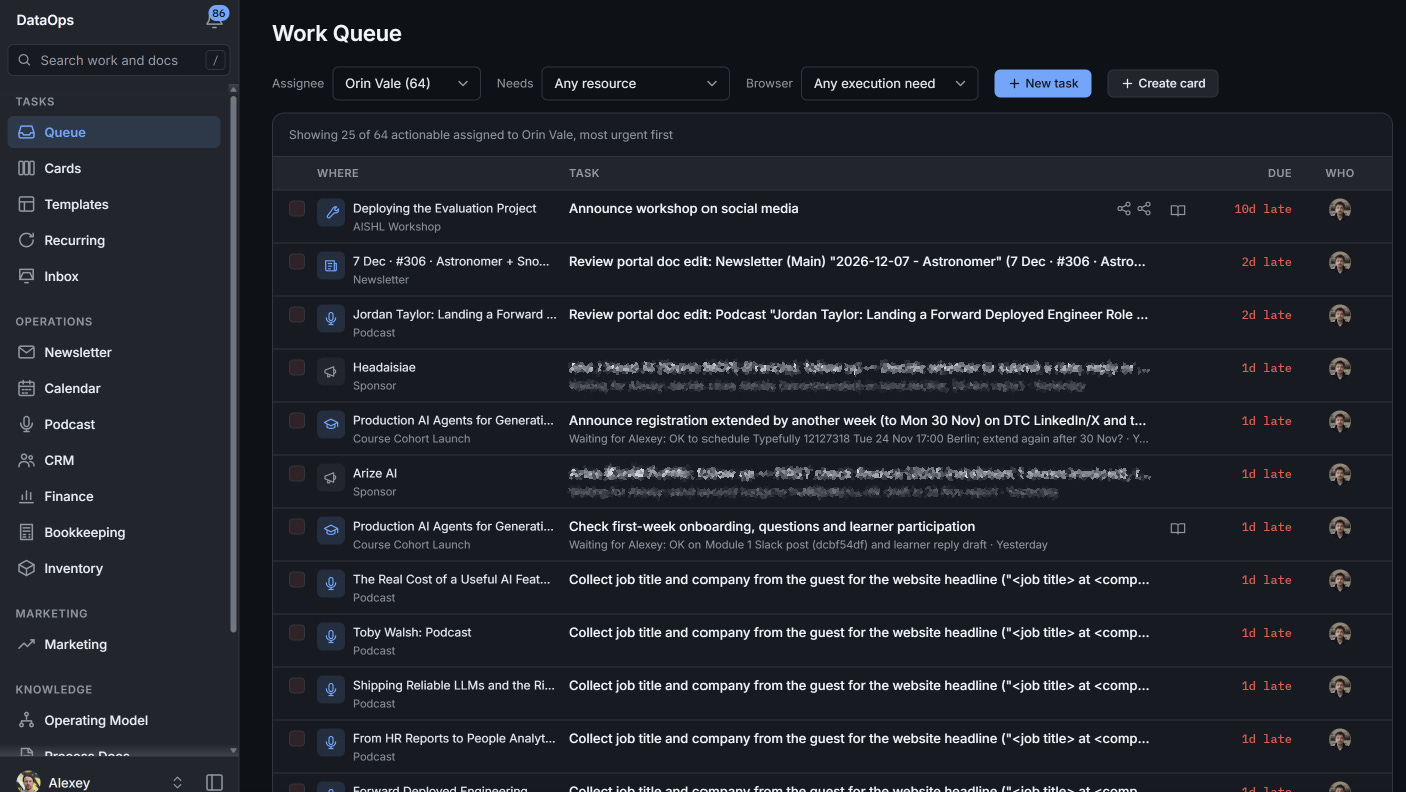
Trello is great, but I didn’t like that I had to go through each card to tick the tasks. I wanted to have one work queue that was coming from all the cards, plus some ad-hoc tasks on top of that.
I attempted to do it multiple times. My first more-or-less successful attempt was called “DataTasks for DataTalks” and I described it in I Built an AI Agent Team for Software Development and Tested on 5 Real Projects. Eventually I merged it with my system for managing the process documents, and added bookkeeping, CRM and other things on top. Now all the DataTalks.Club operations are run in this system. I call it DataOps.
Like all the other tools, DataOps has an API and a CLI, so it integrates easily with the rest of the tools via Dapier, and my agents can use it for running day-to-day ops.
The CRM data from Airtable moved here too.
Services I can’t replace
There are services that I can’t easily replace.
One of them is Loom. It’s a video recorder: I record a video, and immediately get a link that I can share with others. I use it for recording videos for my courses.
I’m not happy with it, so I wanted to create my own. But when I calculated how much I’d pay for storing the videos and for CDN, I decided to keep Loom. A good CDN turned out to be more expensive than the money I pay for the subscription. Perhaps I can automate it with YouTube integration, but it’s not straightforward and can get me banned.
Zoom is another one. Zoom is reliable and everyone has it, and I use it a lot too. Building it would take ages. There are alternatives, but they cost around the same.
I’m also paying for Google Workspace for 3 DataTalks.Club accounts. I can’t vibe-code that.
Finally, I pay $720/year for Meetup. Yes, it’s not cheap, but they make it possible for people to discover our events without me promoting them.
And I pay for all that AI work, so all the money I save goes to Anthropic, OpenAI, Grok, Gemini, Z.ai, and OpenCode.
Costs
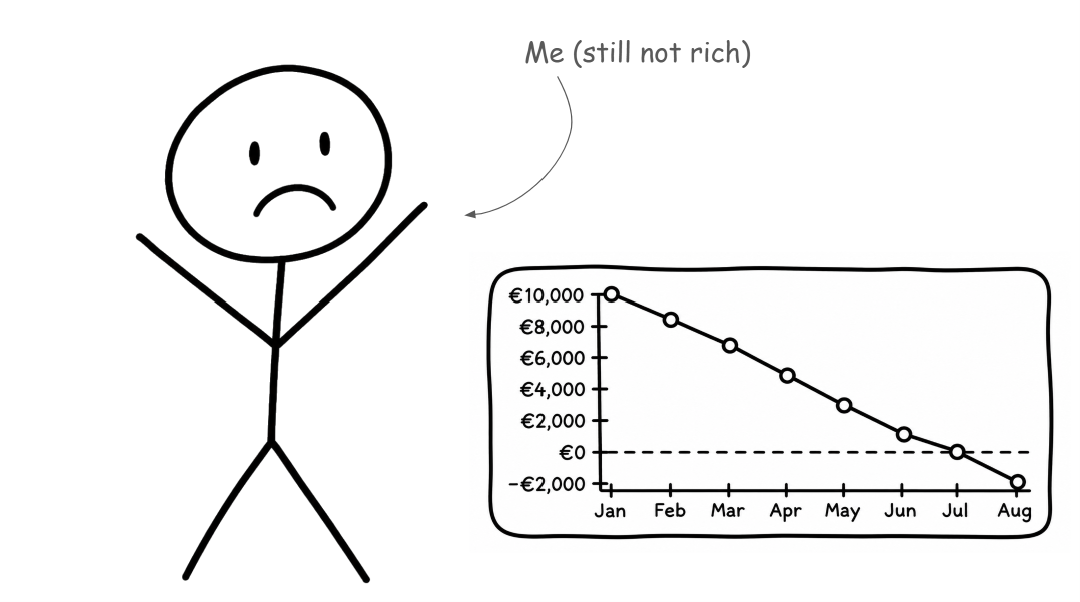
All the subscriptions I replaced roughly add up to €9.8k per year. Most of it was MailChimp, but others contributed too.
The replacements are free* - with an asterisk. I have to host them somewhere.
This is how much I pay for that:
AWS SES - $60-85/month
AWS (without SES) - $38/month
Relay’s VPS - €35/month
That’s about €130-145 per month, or €1,600-1,750 per year.
Here’s the breakdown of the AWS costs:
DynamoDB is the biggest expense: about $15/month
Encryption keys and CloudWatch alarms cost a few dollars each
Lambda cost $0.02 for the whole of November
API Gateway cost $0.39
The domain costs $3 per year, and its DNS zone $0.50 per month
Relay is not on AWS. I rent two private servers that together cost €70.44/month. These servers also run the DataTalks.Club and AI Shipping Labs websites, so I count only half of it as Relay’s cost.
Moving DataTalks.Club and AI Shipping Labs from AWS to private servers is another story that helped me save $400/month. I’ll write about it soon too.
The downside: it’s my infrastructure now
I save a lot of money, but I have to deal with all this infrastructure and with the surprises that come with it.
These services are essential for running DataTalks.Club as a business, so I have to make sure they are functioning. That means constant monitoring and fixing things when they break. Agents make it easier though, and a small delay if something is down is not the end of the world.
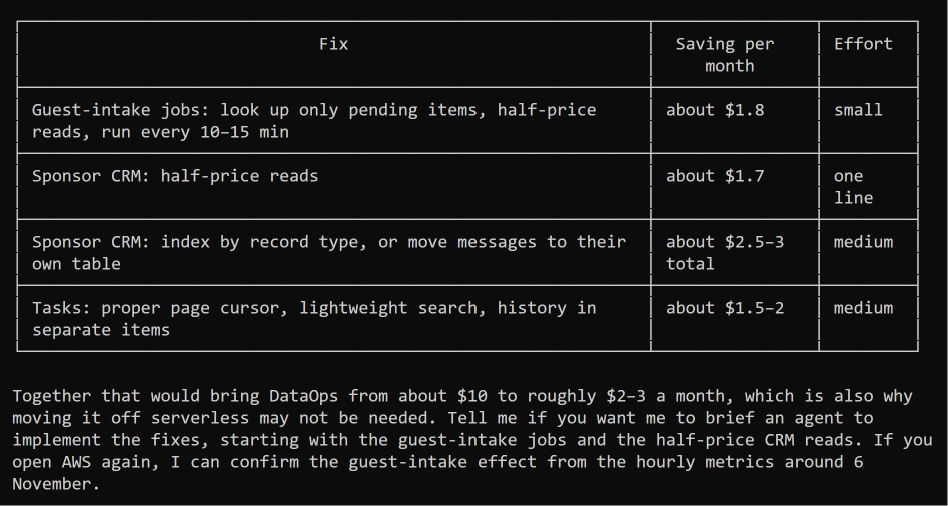
There are also surprises. On 16 November, AWS cost $8.66 instead of the usual $1. I was testing Relay to make sure we can send emails fast. We sent 60,000 emails, but the inbox was monitored by Dapier and triggered 60,000 automations. So that was a lot of writes and reads to DynamoDB.
An extra $7.66 is not a big deal, and it could have been worse. But because I’m managing my infra for these services, I should be more careful and monitor usage to avoid future surprises.
As I was writing this article, I asked Claude if we can optimize how we use DynamoDB. It’s now being fixed. If I don’t do this, $2 here and $3 there will amount to $500/month that will be difficult to untangle.
Keeping apps manageable
I have to manage a lot of different apps now. Just in this article I mentioned six of them, but there are more. To keep it manageable I have a few shared resources.
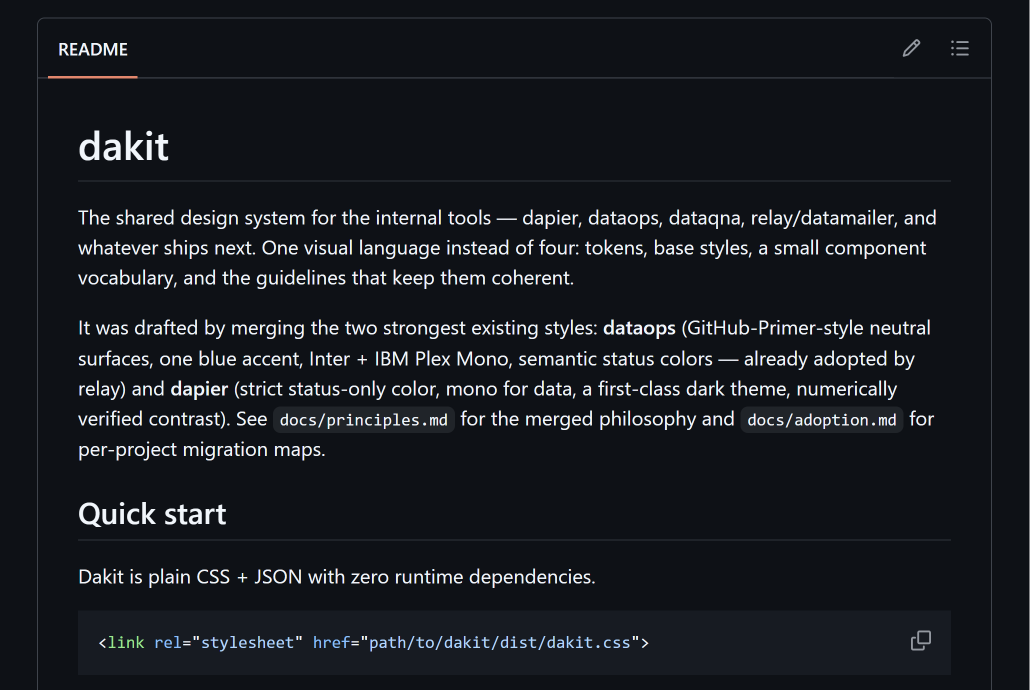
The first one is dakit - the design system for all my internal tools. It has design tokens, base styles, a small set of components and guidelines.
Initially all my apps were different, so I spent a lot of time polishing the designs for each. Eventually I combined that into one design system, and all new projects use it for their UI.
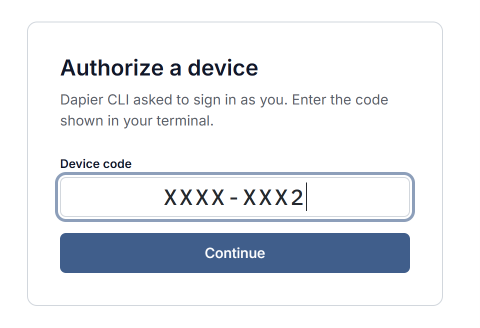
Another one is the shared single sign-on service that I use for all the apps. I can log in only using a Google account from a verified @datatalks.club address. It has two parts: the web part for signing in and the device flow part for making sure I can authenticate all the CLI tools.
Saving money and time
I started replacing these tools because I wanted to save money. But now all these tools are a part of one flow, so I’m also saving a lot of time.
If you’re paying for a SaaS subscription, check if it’s something you can replace. That’s actually quite fun.
I do realize that it’s very a difficult time for online businesses now. Anyone with access to AI can rebuild an app in one afternoon, unless it has a real moat, like infra that’s expensive to run (Loom), network effect and reliability (Zoom), or access to the community (Meetup). If you’re running a business, think what your moat is.
AI Engineering Buildcamp
Today is Black Friday, so everyone is running discount campaigns. So I’ll do the same.
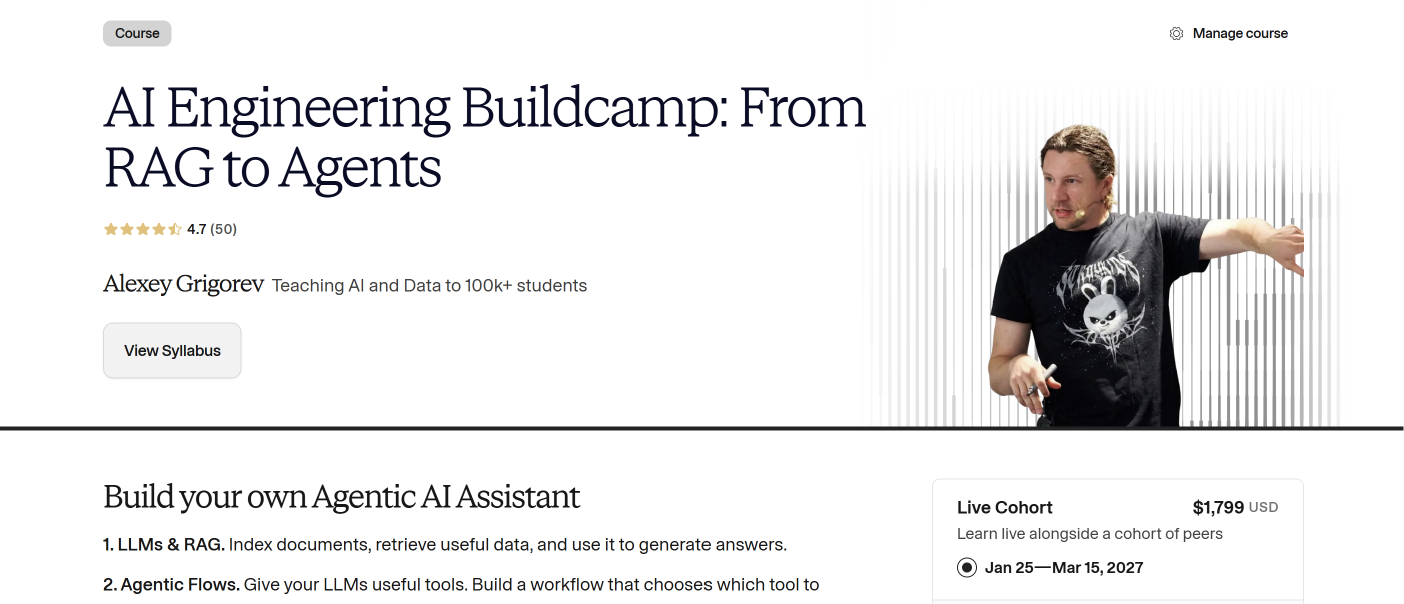
If you want to learn more about building AI agents, I teach that in my course AI Engineering Buildcamp: From RAG to Agents. It covers RAG, agents, evaluation and monitoring with real code, and you finish with your own end-to-end project.
For Black Friday, use code “BF” to get 30% off.
Thank you for sharing your experience.
I would be very careful of “custom SSO”. There are places to cut corners and roll your own. Authenticating isn’t one of those.