

A few weeks ago Hugo Bowne-Anderson and I ran a webinar about trends in AI engineering.
At the beginning, Hugo defined two terms that people often confuse:
AI engineering - AI is part of the product
Agentic engineering - agents help you build the product
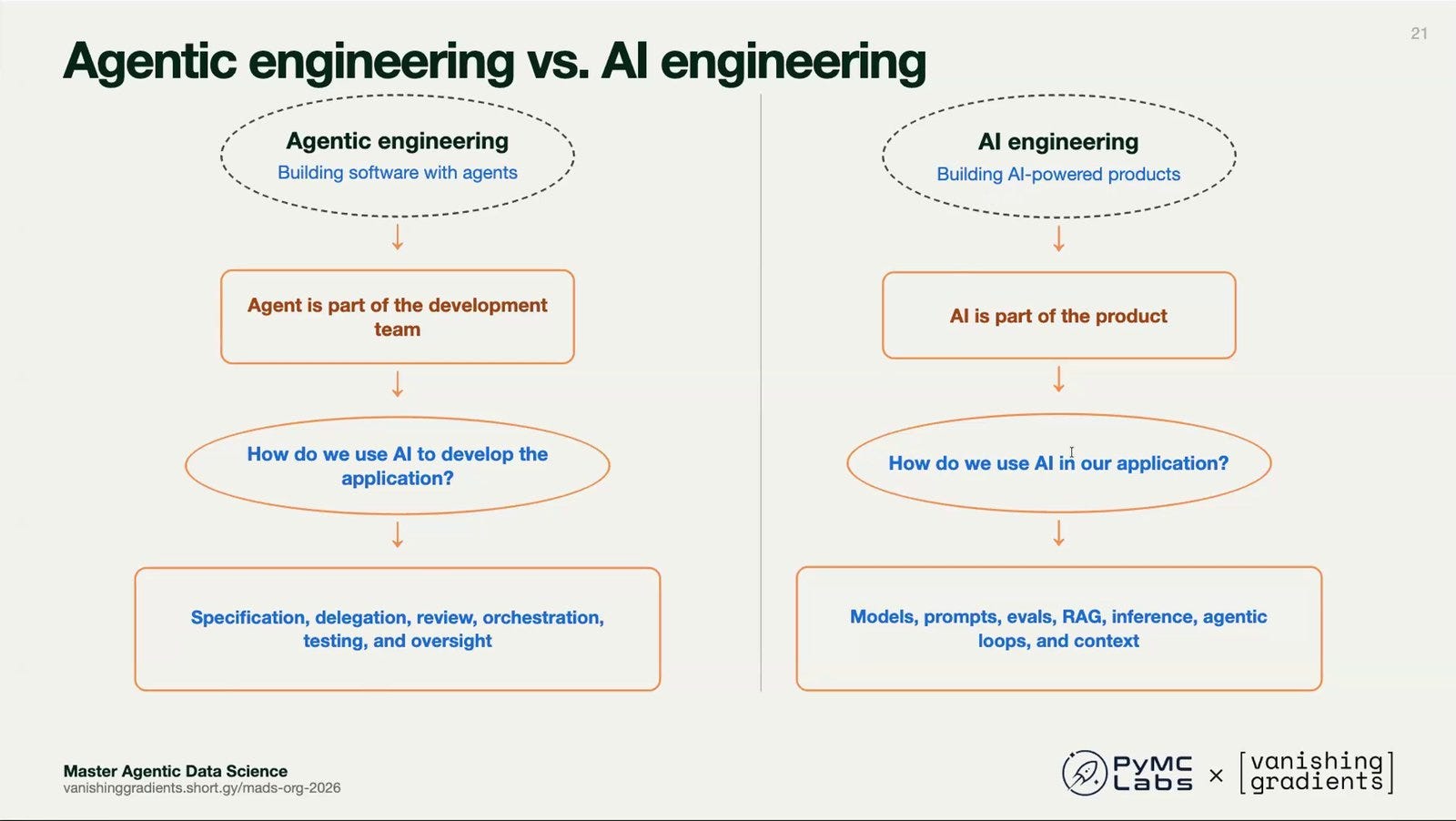
At the end of the session we decided to write an article about the webinar. When I started writing it, I realized that it makes sense to cover each topic separately. Last week I published the first article about AI engineering, and in this article, I focus on agentic engineering.
In particular, I’ll cover:
Using one agent to review another’s code and designs
Giving agents rules for coding and writing
Organizing agents into teams and larger hierarchies
Running software factories where humans focus on outcomes
Verifying Agent-Generated Work
Hugo ran a survey on how people do agentic engineering in data science. 34 people said that AI changed their workflow “fundamentally”, and 39 said “significantly”.
Hugo wanted to see what exactly was different, so he followed up and visualized the results with a heatmap.
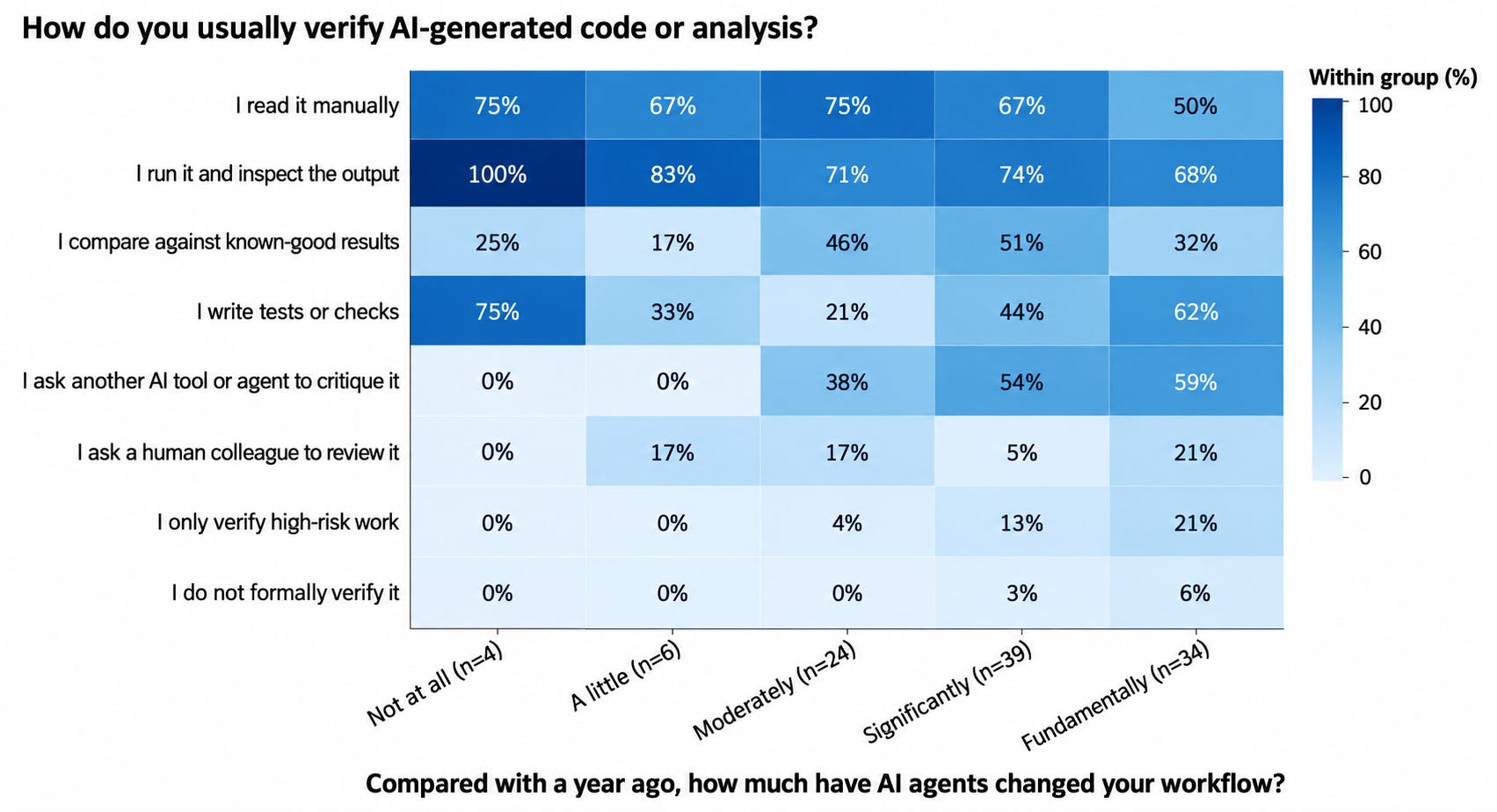
Among people whose workflow changed fundamentally, 59% ask another AI tool or agent to critique the work. In the significantly changed group, it’s 54%.
The less impact people reported, the less common this practice was. It’s not causal, but the people who changed their workflow the most also verify using agents the most.
I can clearly see the reason: the more you delegate your work to agents, the more you need to check the output.
Agents Controlling Agents
Even frontier models give you pages and pages of absolute slop. With this amount of output it’s hard to review every line of code ourselves, so we use agents to control agents.
I call it the “implementer-reviewer” approach.
I have the implementer do the work and the reviewer validate it. I let them iterate until the second agent accepts the output of the first agent.
For coding, I assign one agent to implement the task as a software engineer. Then I ask another to act as a tester and find problems in the implementation. A feature may take a few hours instead of 20 minutes, but the quality at the end is better.
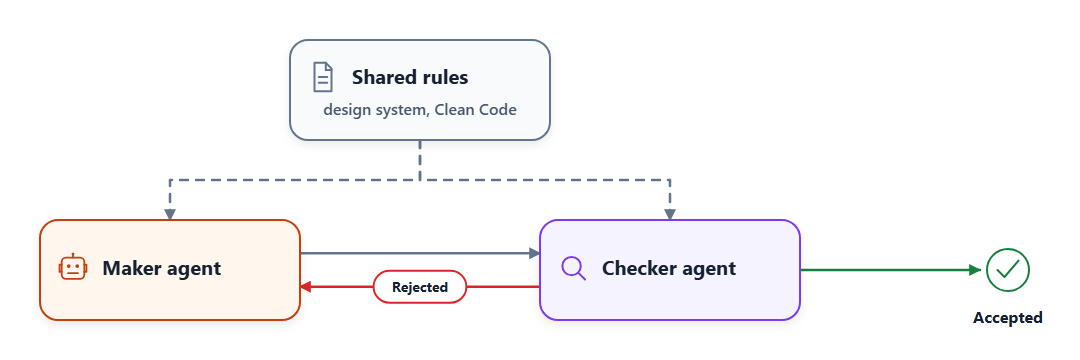
It works outside of coding tasks too.
Agents usually produce terrible and complicated designs, so when I need to work on UI, I use the same implementer-reviewer approach:
The implementer is a designer who creates the interface
The reviewer is a senior designer who tries to find reasons to reject the design
I give both agents a design system and a rubric for evaluating the interface. After each iteration I have the senior designer score the interface, and I have them iterate until the score is 10/10.
I call this adversarial design.
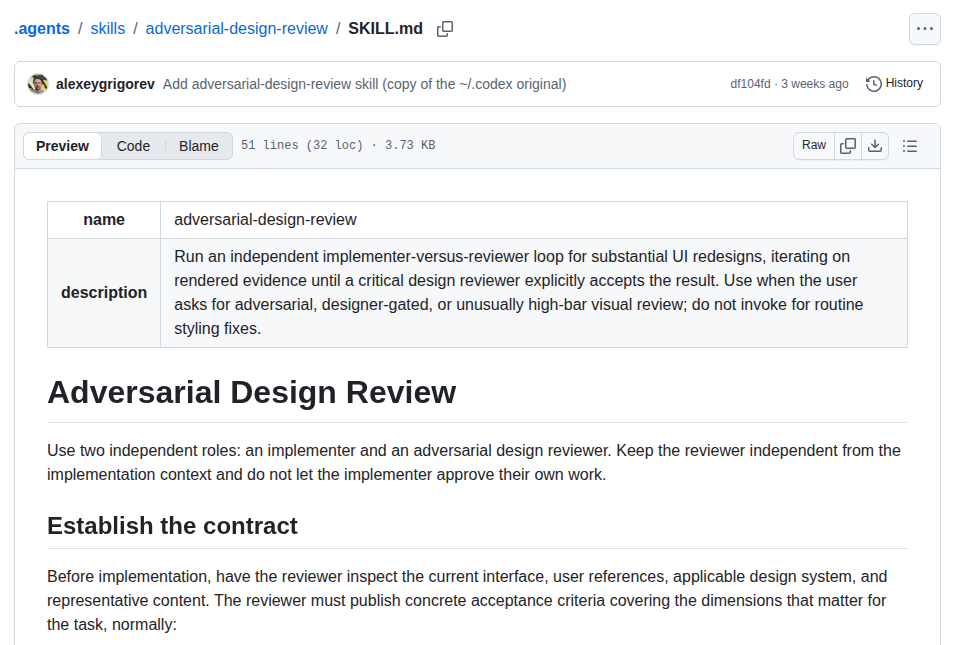
Interested in how I approach design with AI? I described my approach here:

Shared Rules for Coding and Design
In these cases both the implementer and reviewer share a common set of rules:
For coding tasks - the acceptance criteria and a coding standards document
For design - a design system and an evaluation rubric
But instead of describing the entire system and listing all the criteria, I often take a shortcut and refer to books.
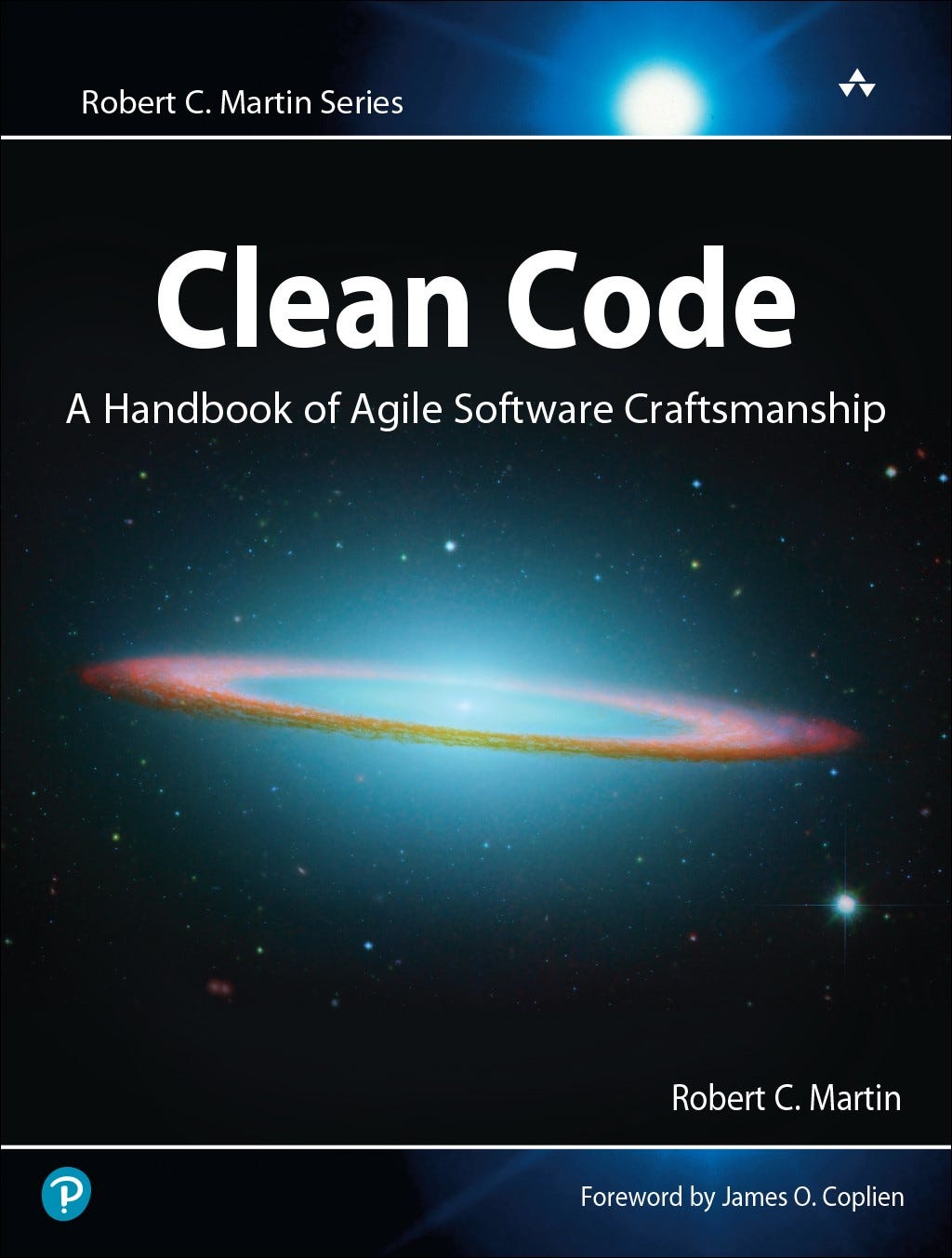
For coding, I can say “follow the principles from the Clean Code book by Robert Martin”. I use that instruction to improve code quality.
In some cases I add details to make it more specific:
Functions no longer than 30 lines
Files no longer than 300 lines
I tested these rules on a fairly large codebase I started in 2023. I developed it with AI, first by copy-pasting from ChatGPT and then fully with coding agents. When the code turned into a pile of slop, I asked the agent to refactor the entire codebase using this approach.
It took two banked Codex resets, but after that I could read the code without crying.
This is how some functions now look like:
def submission_total_score(submission: Submission, questions_score_value: int):
    lip_score = update_learning_in_public_score(submission)
    faq_score = update_faq_score(submission)
    return questions_score_value + lip_score + faq_score
Rules for Writing
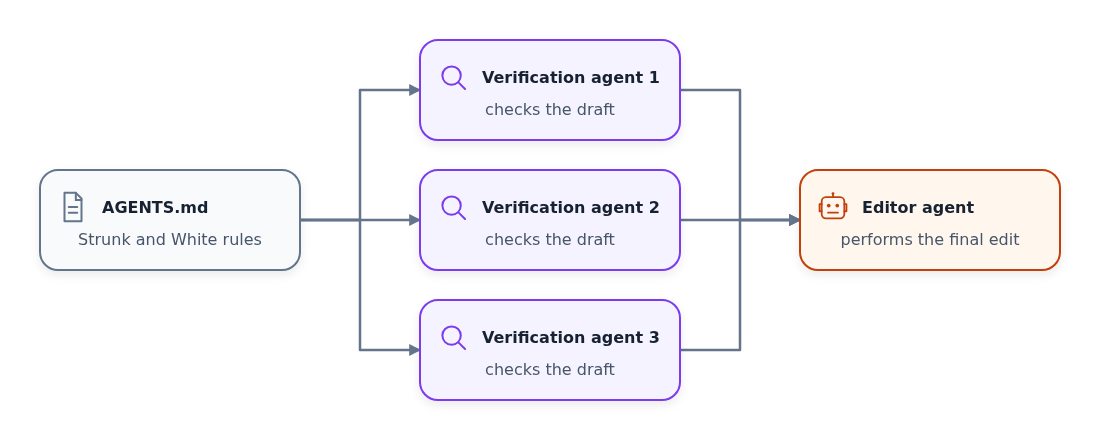
Hugo does the same for writing with The Elements of Style from Strunk and White. Its rules include “omit needless words” and “use the active voice”.
The agents don’t always follow them, so he runs three extra verification agents in parallel. Then he has a final agent edit the text.
Organizing Agents Like a Team
With an implementer and reviewer we have two agents. But we can scale this idea to a full team by adding a product manager and on-call engineer.
We give each agent a job and ask them to work together on a project:
PM plans the tasks and adds acceptance criteria
Software engineer implements the task
QA engineer checks that the code works against the criteria
PM runs acceptance tests through a browser
On-call engineer makes sure that CI/CD checks pass
I described this approach in I Built an AI Agent Team for Software Development and in AI-Native Development: Specifications, Loop and Graph Engineering.
When I read OpenAI’s Navier-Stokes result, I found it interesting. I know little about the mathematics. But the report described 10,000 agents running in parallel, and I tried to imagine how I’d manage that too.
It was interesting for me because it’s far from trivial. It took me quite some time to figure out how to run a single team of five agents. I still haven’t made a department of teams work reliably, although I hope I’m pretty close.
I experimented with scaling beyond one team - most recently while working on Cloudflare’s Git platform competition. Keeping them working was harder than I imagined. The agents were failing, stalling, or waiting for my input or approval. They do that even with --dangerously-skip-permissions, sometimes producing no output for hours or days.

I did get some teams working, and now I can run 30-50 agents in parallel working on different projects. I’ll definitely write more about them soon.
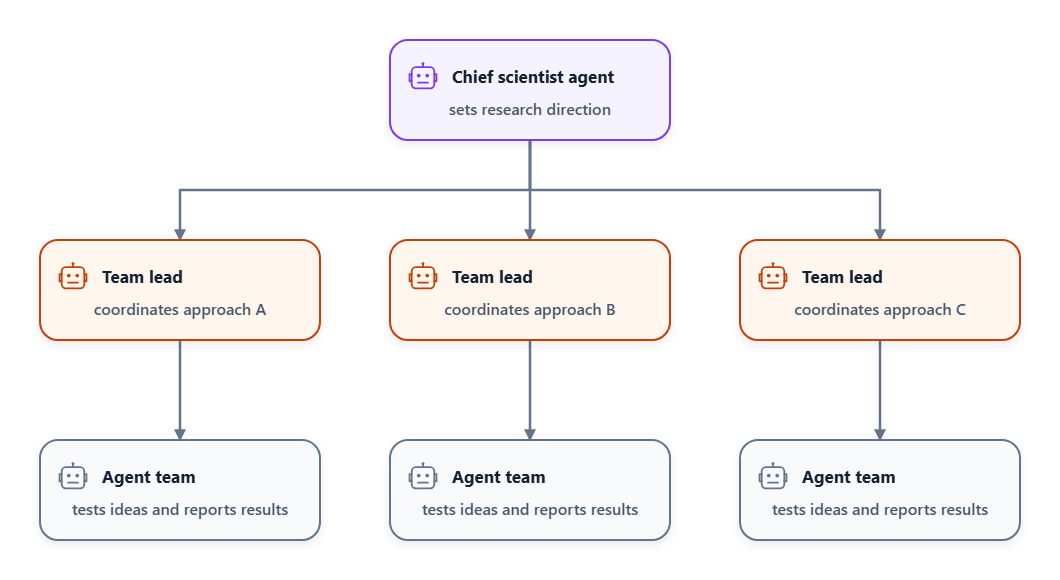
I’ll probably never have a problem that requires 10,000 agents, but if I needed that, I’d organize them into a hierarchy:
A chief scientist setting the direction
Team heads coordinating each part of the work
Many agents under them exploring different approaches
With so many agents running in parallel, you can’t expect humans to be able to review any of this code.
Dark Software Factories
I recently had a chat with a company that has a policy of “no handwritten code”. There, you aren’t allowed to write code yourself, only through an agent. When some engineers threatened to resign, the company said “nobody is forcing you to work here, you’re welcome to explore other options”.
Our industry has changed significantly over the last year. Today we write code differently. Even half a year ago I was still checking my code from time to time, but now it’s over. I do this only when I prepare materials for my workshops and courses.
Some time ago I heard the term “software factory”. It made sense to me: you have a team of agents and they work through your backlog. So I can imagine a conveyor belt of features, each agent is adding something to it, and the result is a product.
Hugo takes this further and describes a dark software factory. The name comes from lights-out manufacturing: when machines work without people on the factory floor, there’s no need to keep the lights on. FANUC’s factories are a physical example of this kind of automation.

In a dark software factory, humans aren’t allowed to look at the code. They get artifacts that let them make business decisions and verify that everything is correct, but they’re separated from the generated code.

Hugo doesn’t suggest that everyone should start building a dark software factory today. But he thinks it’ll soon be economically viable to skip reading code and focus on the business.
He compares this to trusting compilers without reading the machine code they produce. With agents, we need tests, independent checks and clear specifications to earn that trust.
I agree with that direction. I’m a solo founder with limited time, so if I check everything that agents write, I’ll never be able to finish anything. Once I let the agents run without my involvement, I can spend more time on product and architecture decisions.
I started reading more about dark software factories and realized that I’ve been doing some of this for quite some time too. I’m writing a separate article to explore how other people keep their factories running and what I can learn from them.
Keeping the Factory Running
Humans are still needed to keep the factory running. First of all, it doesn’t just happen, people build it. And once it’s running, it needs attention. Even the FANUC factory needs a maintenance every month.
It’s the same with agents. You can polish your process and let your agentic teams run unsupervised, but only up to a point. Eventually, you’ll still become the bottleneck - or else the agents will build something you don’t need.
And we’re still learning how to build it.
The team section is the one I would push on. The PM plans the tasks and writes the acceptance criteria, then QA checks against them. The gap we hit building Halfcycle: if the same PM agent writes the criteria and nobody questions them, QA faithfully confirms a plan that was wrong. On our webhook inbox build the expensive problems (replaying a Stripe delivery failing its own five-minute signature check, retries that assume the handler is idempotent) were all in the plan, not the code. So we put a reviewer on the plan before any task exists. In your setup, does anyone challenge the PM's criteria, or only check the code against them?